
The material
Where the sea becomes material
Read moreShow less
Crafted through innovation. Inspired by nature. Designed for meaningful spaces.
 44%of Thailand's coastal aquaculture output is green mussel
 70%of the shell by-product went straight to landfill
 50,000+tonnes of mussel shell waste in Thailand each year
The crisis behind our beginning
A neglected crisis along the Thai coastline
Read moreShow less
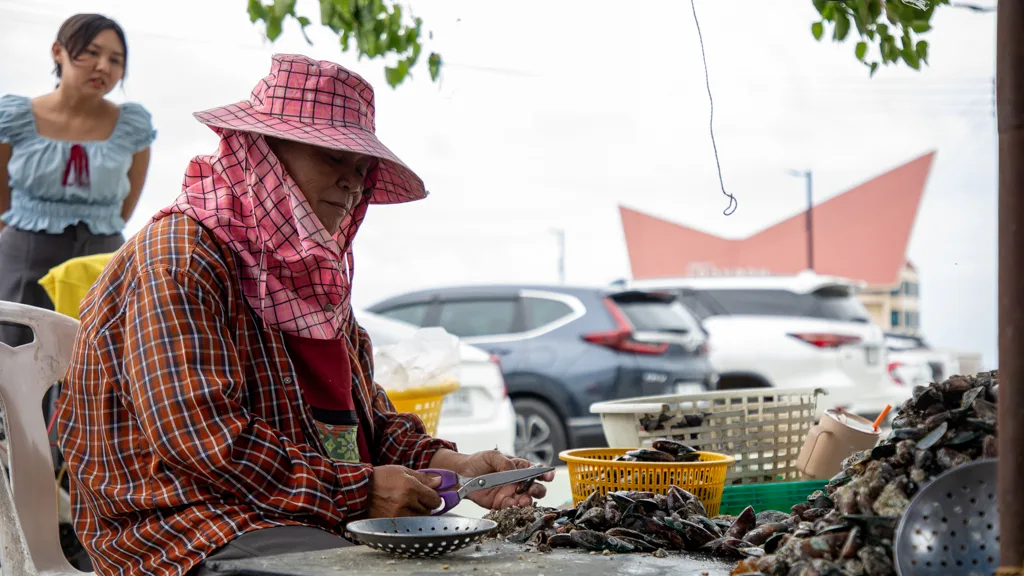
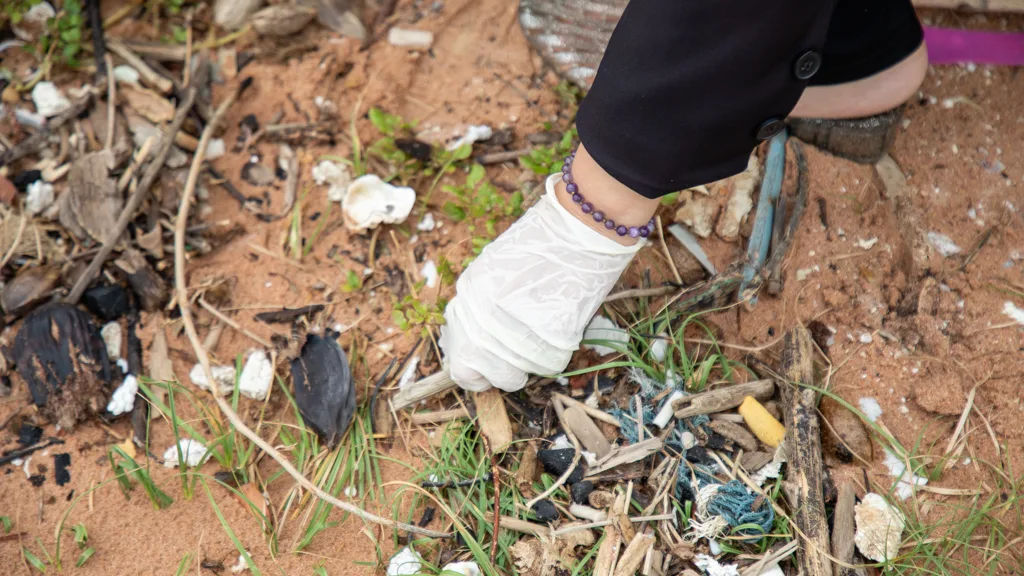
Forty-four percent of all coastal aquaculture output in Thailand comes from green mussels. Of the shells produced as a by-product, only about thirty percent is reused in low-value applications, as fertiliser or fill material. The remaining seventy percent goes directly into landfill, where it releases odour, breeds disease, and burdens the coastal community.
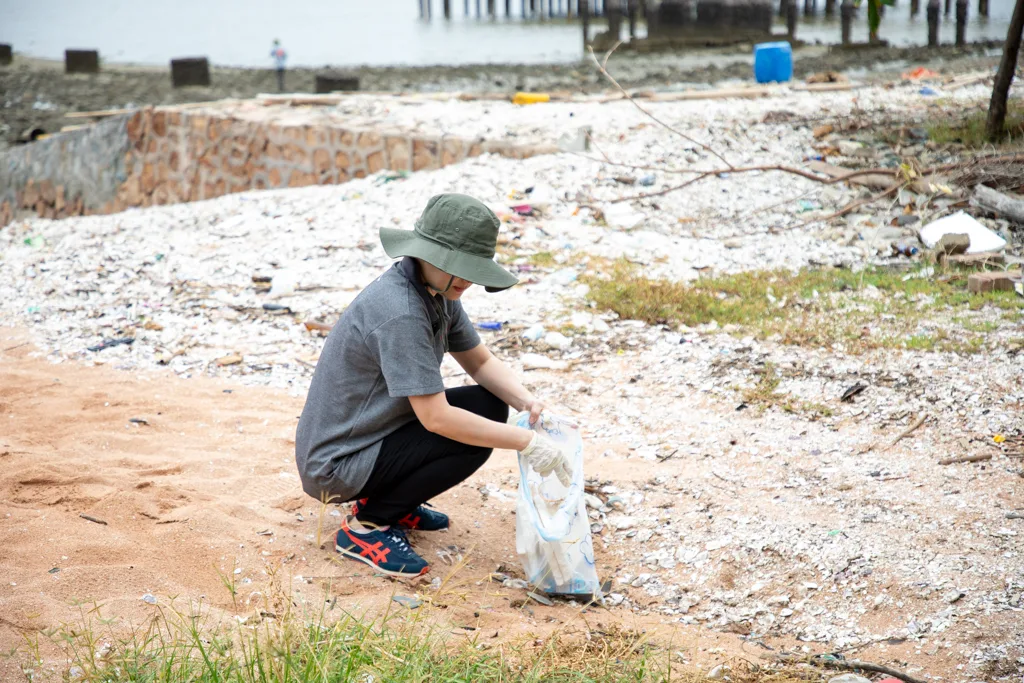
In total, more than fifty thousand tonnes of shell waste accumulate along the Thai coastline each year. AVALON Artisan Gallery began as a direct response to this figure.

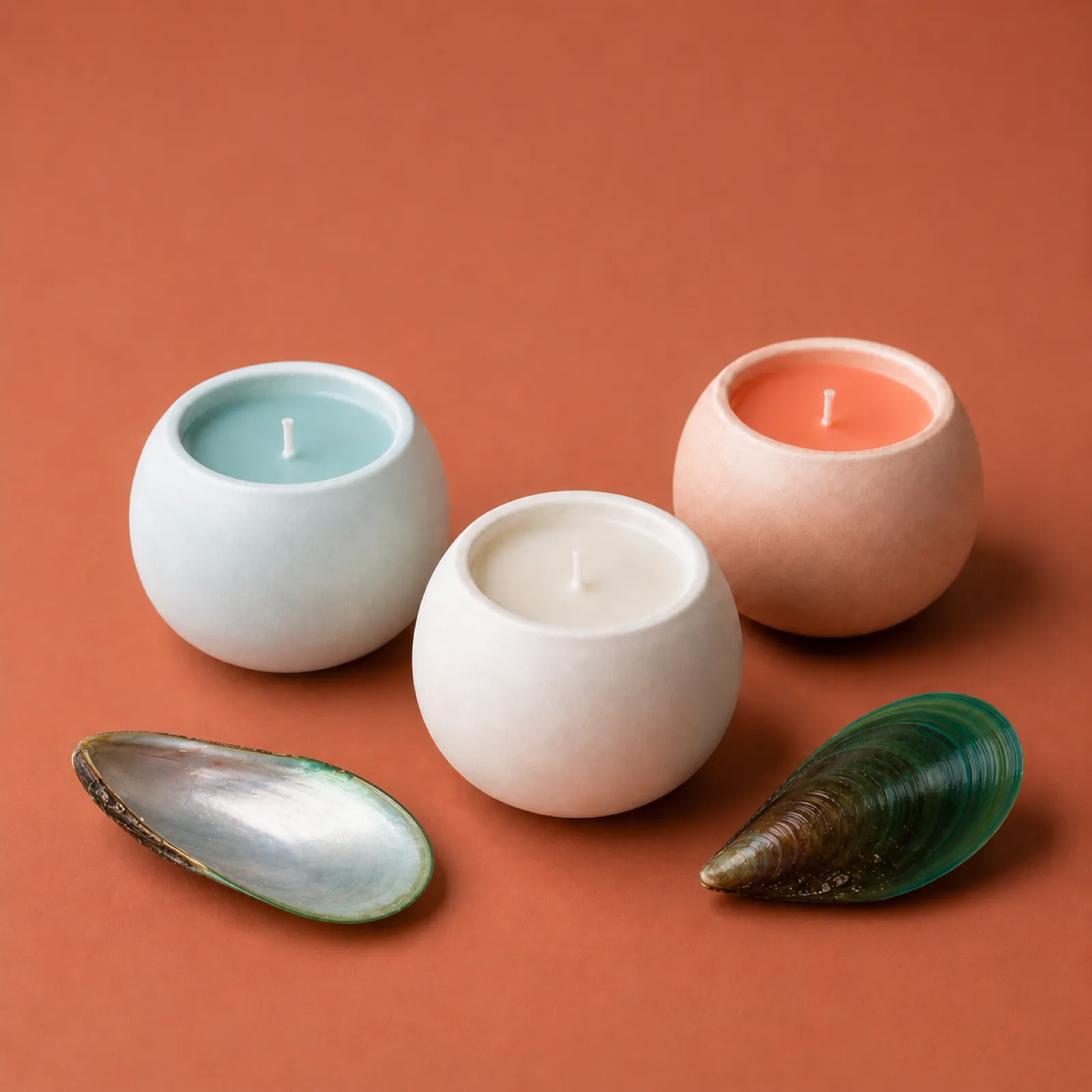
A handcrafted material from upcycled shell
Read moreShow less
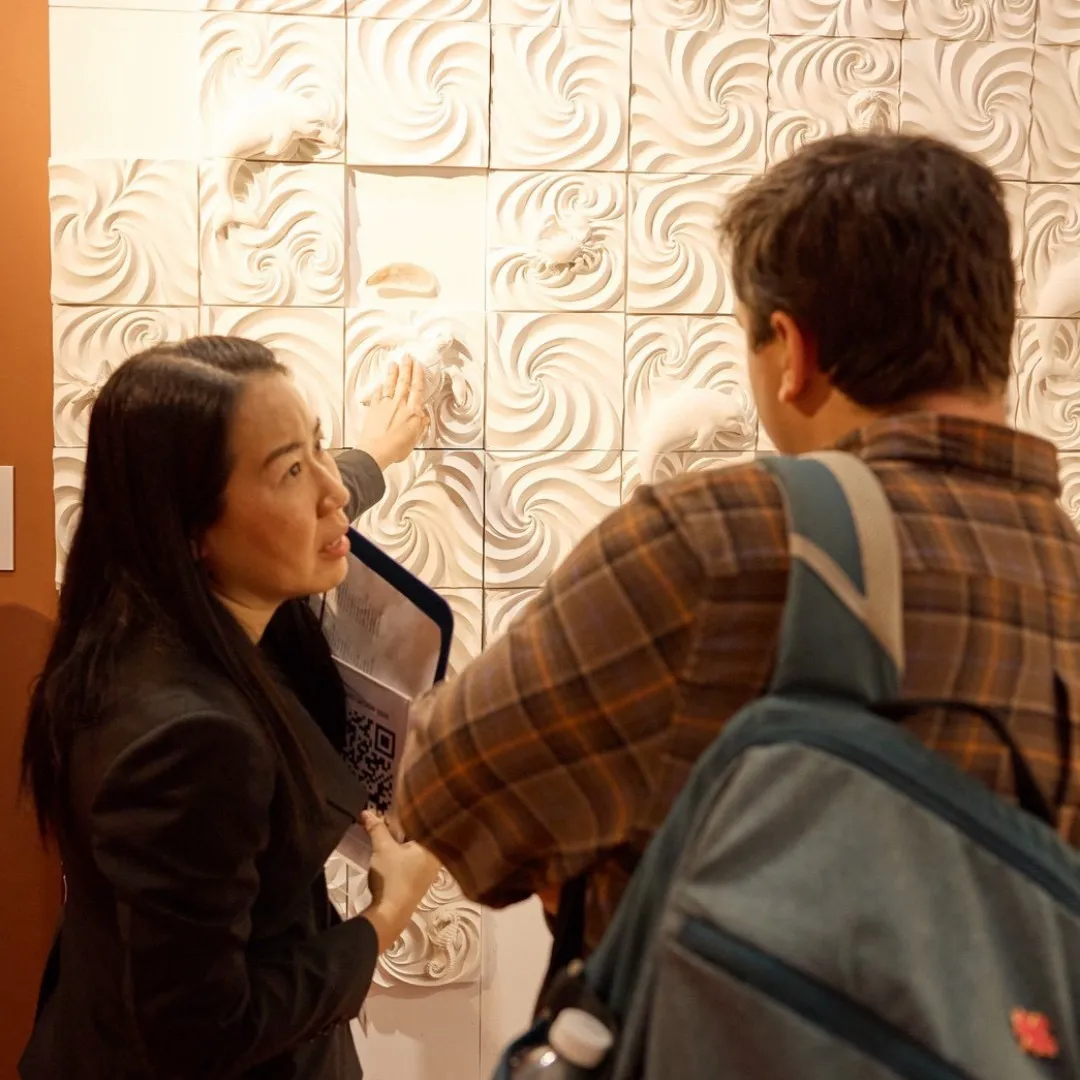
A handcrafted material made from upcycled green mussel shells, uniting sustainability, craftsmanship, and modern aesthetics. Each surface reveals mineral textures and organic depth, embracing subtle imperfections for a raw yet refined, nature-connected character.
Where it is used Decorative wall panels, sculptural surfaces, interior objects, furniture accents, art collectibles, and sculptural lighting.

The nacre, sealed in glass
Read moreShow less
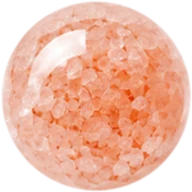
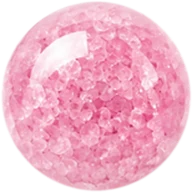
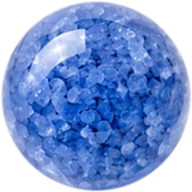
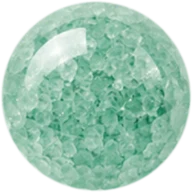
A material extracted from the nacre layer inside the mussel shell, separated from the calcium carbonate layer through the studio's own process, then dyed with eco-friendly colourants and sealed inside a borosilicate glass sphere approximately eight to nine millimetres across.
The process, from waste to wonder
4 steps, all human-led
- 01
Raw material preparation
Read moreShow less
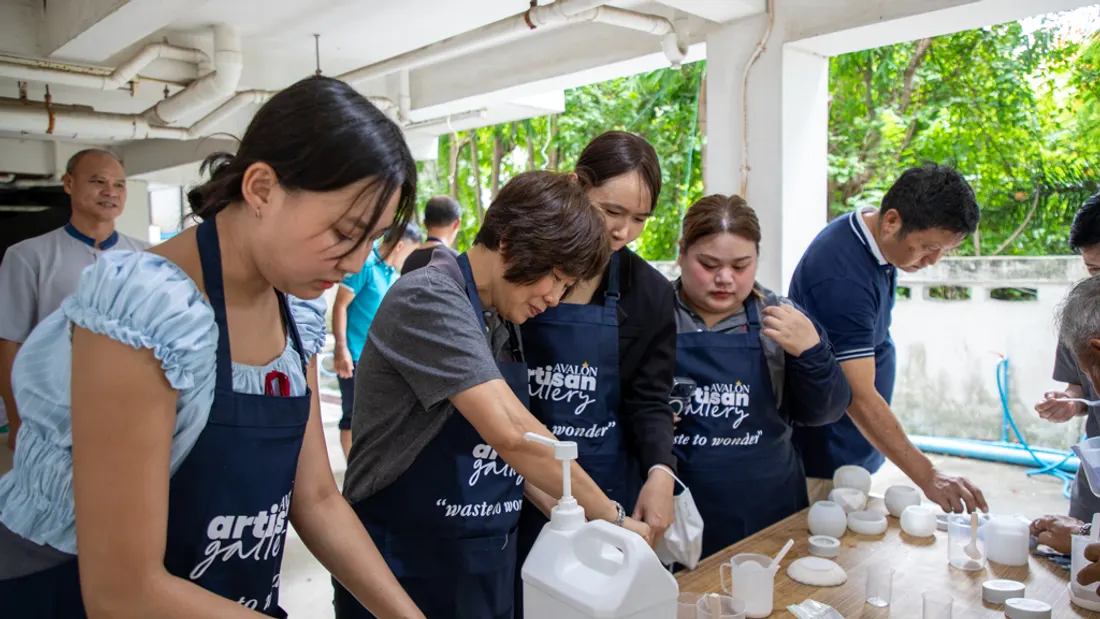
Mussel shells are collected from the Chonburi community enterprise, cleaned, sorted, and graded by size.
-
 02
02 Material processing
Read moreShow less
The nacre, or mother of pearl, layer is separated from the calcium carbonate layer through the studio's own process.
-
 03
03 Colour development
Read moreShow less
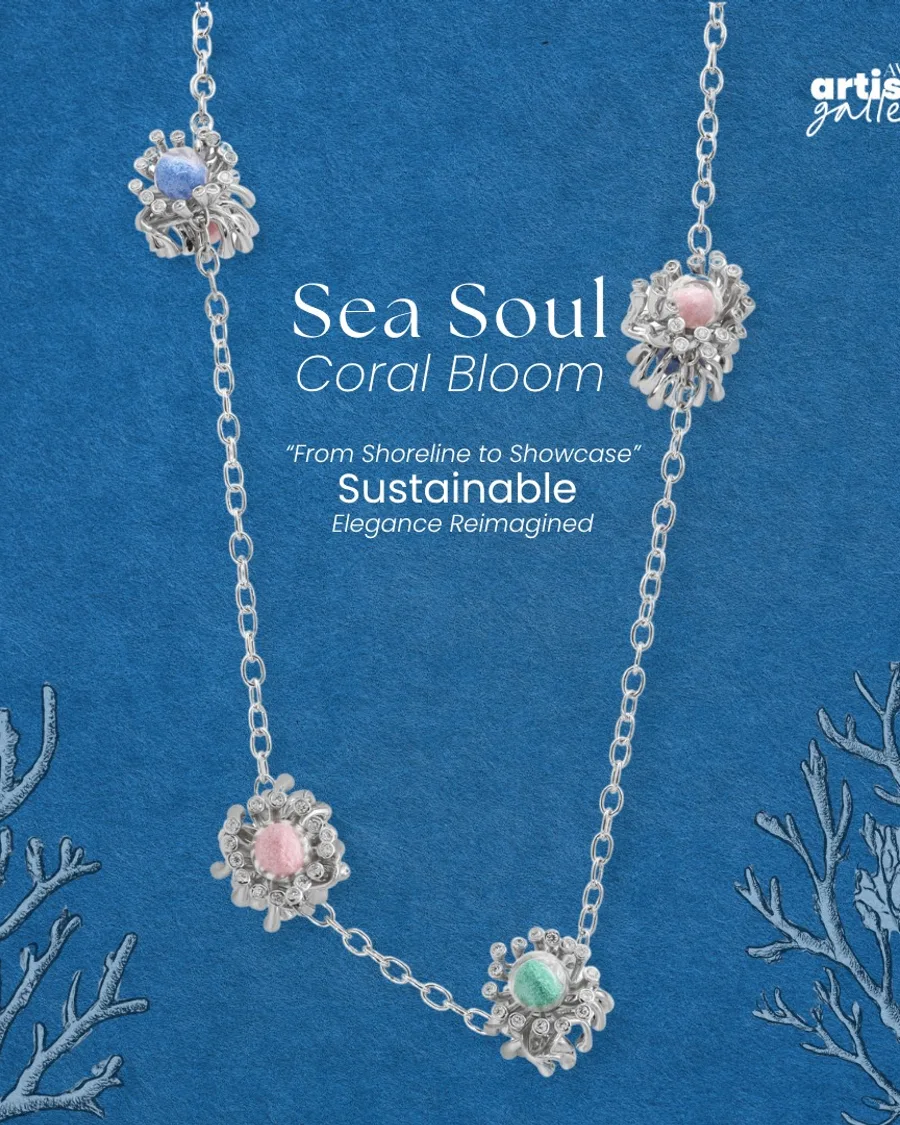
Colour palettes are designed and refined using digital tools, calibrated to align with each collection.
-
 04
04 Finishing and testing
Read moreShow less
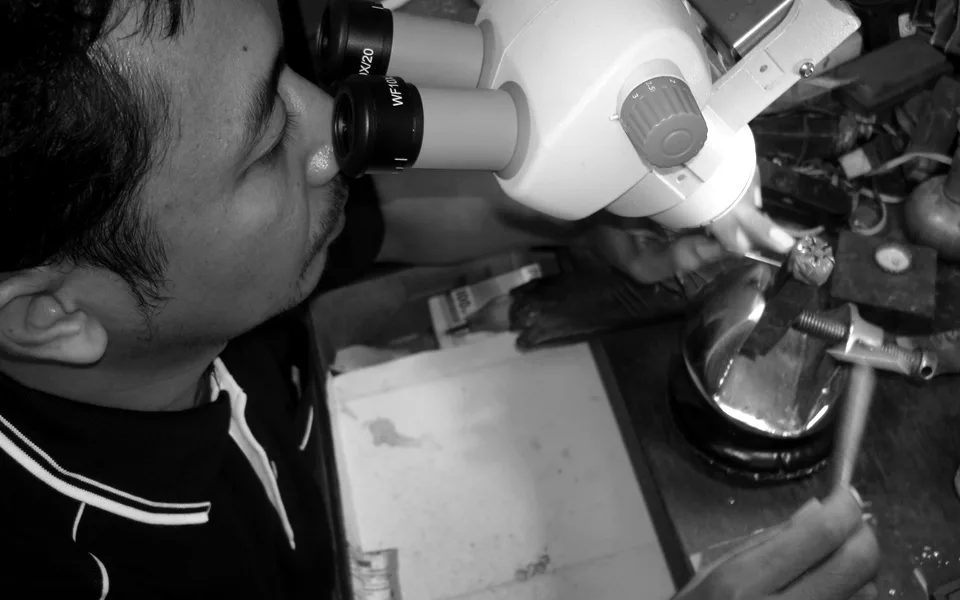
Each surface is hand-finished by an artisan, then tested for strength and durability. Every piece carries an Impact Card recording its material source, the maker, and the hours invested.
Research and support
Who stands behind the material
Read moreShow less
The full cycle is anchored by Manee Mongkhol Gems and supported in research by Kasetsart University, with backing from the National Innovation Agency, TED Fund, and Social Innovation programmes.




Questions about the material
How is MyraGem different from MyraShell?
MyraGem is the nacre layer from inside the shell, separated from the calcium carbonate layer, dyed, and sealed in a borosilicate glass sphere of approximately 8 to 9 mm. MyraShell is the composite used for objects and surfaces.
Does the colour fade?
Color is integrated into the material during production, inspired by stable structural color technologies that resist fading.
See the material in use
MyraGem is set into every piece of the Sea Soul collection. MyraShell becomes objects and surfaces.
From Waste to Wonder