
Sea Soul series, part 9
Crab Secrets
Hermit crabs queue to swap shells, fiddler crabs wave to court, and some crabs dress up in sponges and anemones.
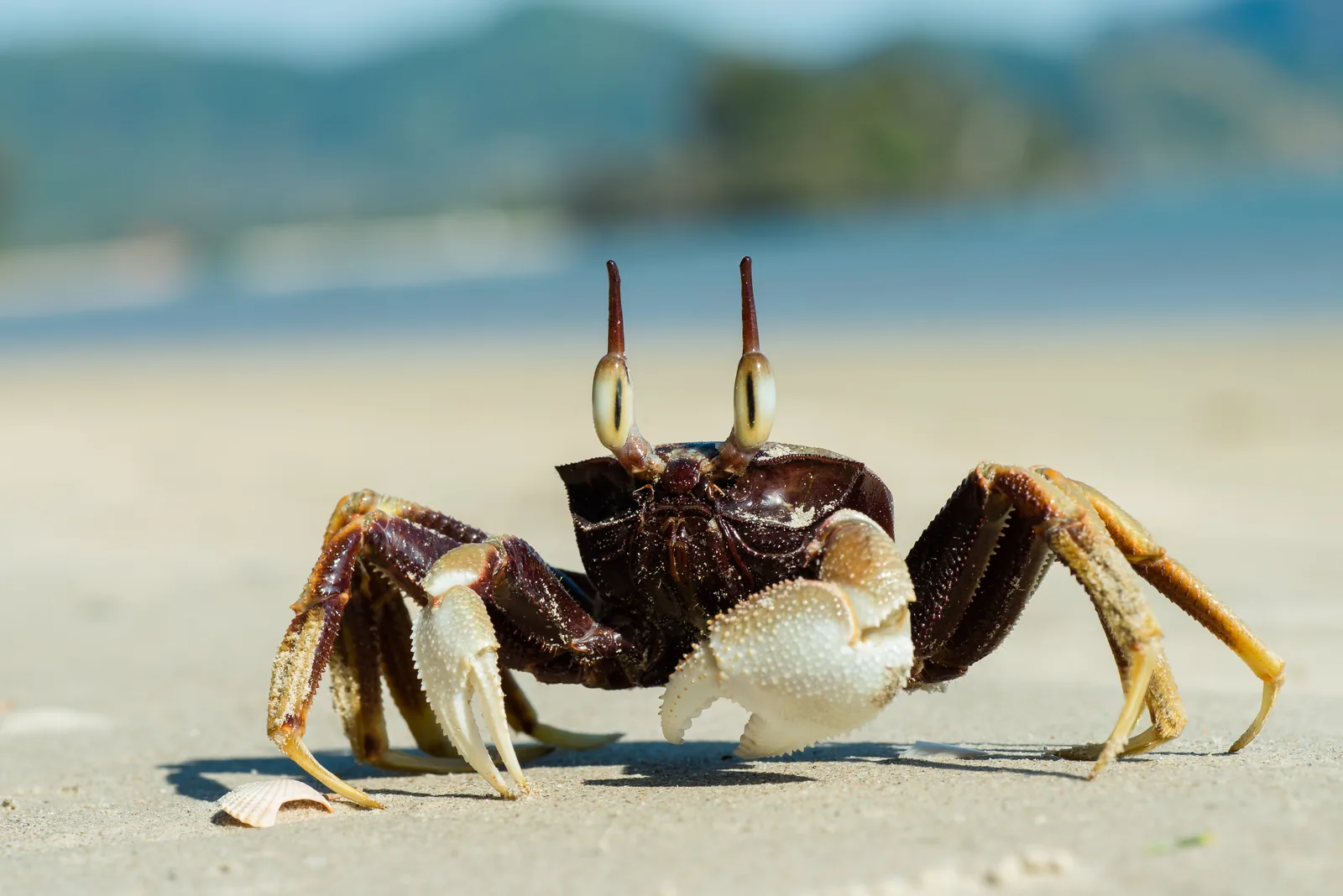
Part 9 closes Sea Soul Secrets with the crab, the animal behind Tiny Claw.
Queuing for a new home. Hermit crabs live in borrowed shells. National Geographic describes how, when a new shell turns up, hermit crabs sometimes form a line from biggest to smallest to see who fits it, and the smaller crabs then move into the shells left behind, one after another. Despite their name, they can live in groups of a hundred or more, and there are over 800 species.
A wave to say hello. Male fiddler crabs have one large claw and one small one. The US National Park Service explains that a male stands beside a burrow he has dug and moves the big claw back and forth, in a fiddling motion, to attract a female.
Dressing up. Decorator crabs have hooked hairs on their shells that work like Velcro to hold bits of their surroundings. According to National Geographic, sponge crabs hold a whole sponge over their backs with their rear legs, carrier crabs carry a sea urchin, and boxer crabs hold small anemones in their claws, both for defence and to share the food the anemones catch.
A march to the sea. On Christmas Island, red crabs migrate from the forest to the coast after the first rain of the wet season, usually in October or November. They spawn before dawn on a receding high tide during the last quarter of the moon. Each female can carry up to 100,000 eggs, and when the young return, the tiny crabs take around 9 days to walk back inland. Park staff close some roads and have built crab bridges to help.
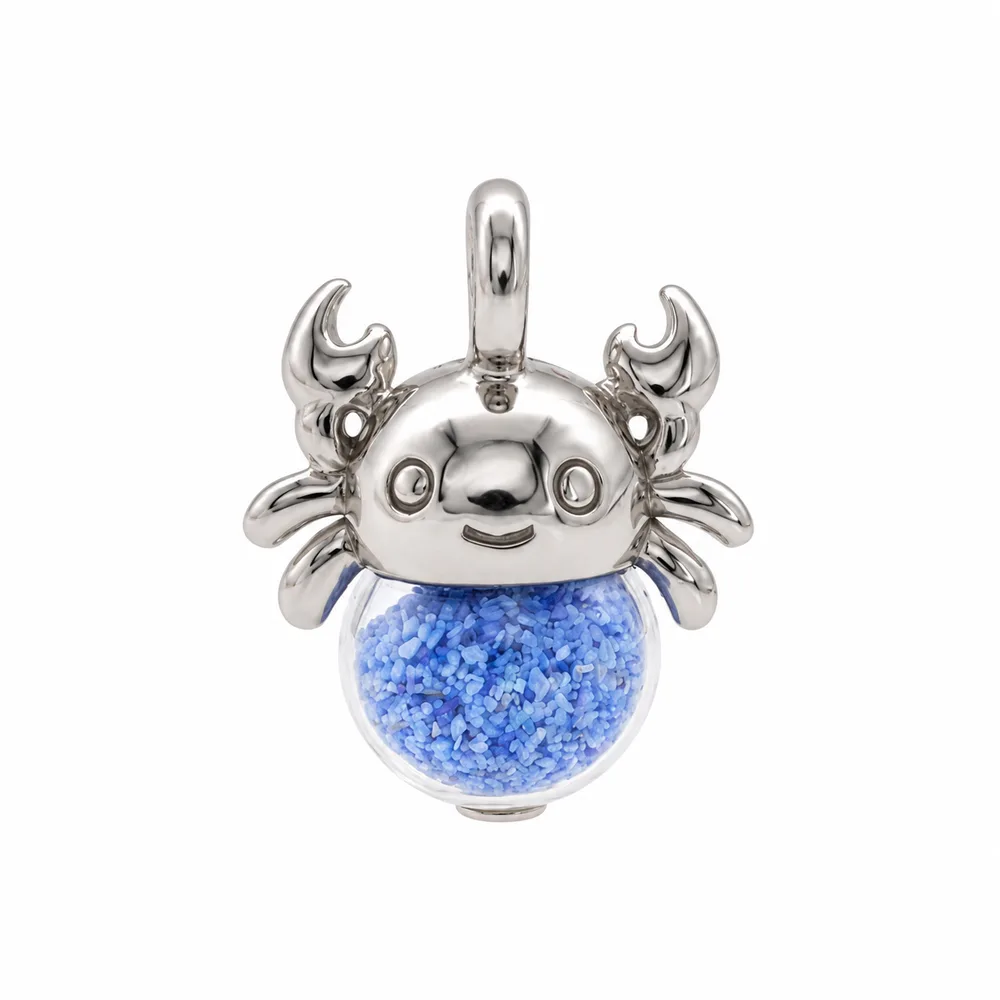
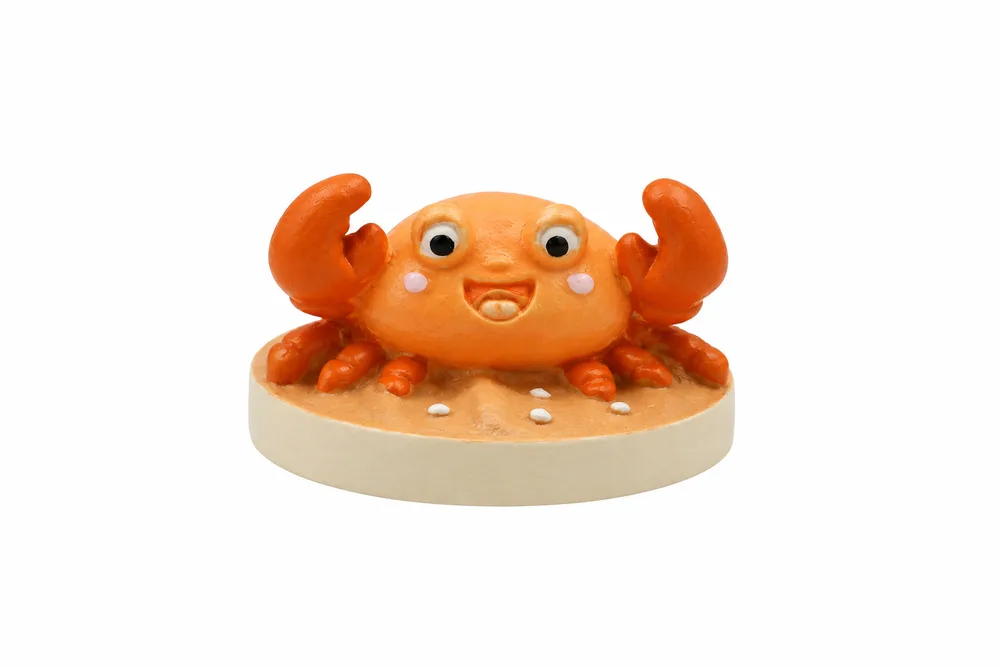
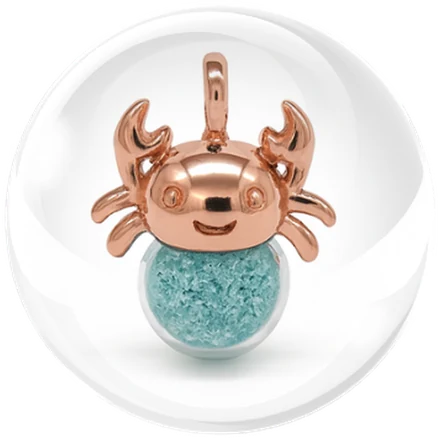
Meet Tiny Claw in the Sea Soul collection.
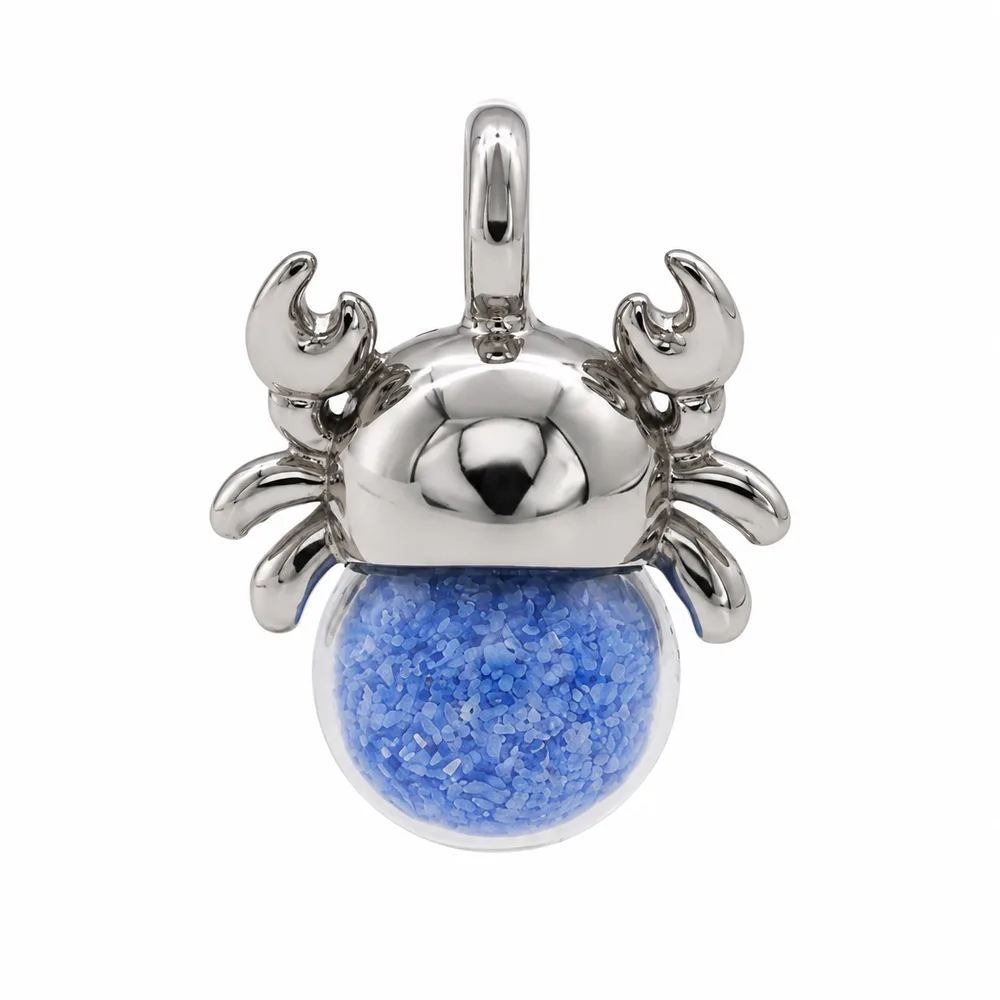
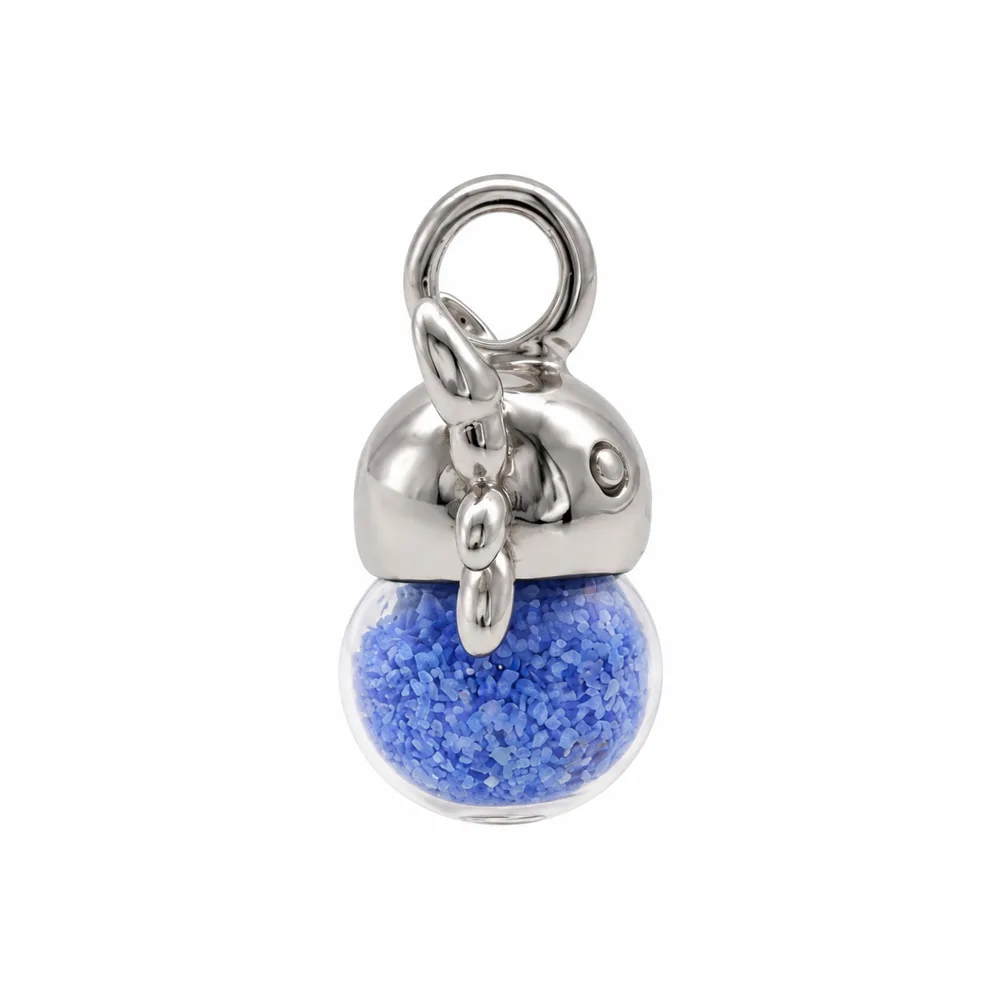
 Meet the charmTINY CLAW Next in the seriesSea Turtle Secrets