
Sea Soul series, part 3
Octopus Secrets
Octopuses have three hearts and blue blood, change colour while being colour-blind, and guard their eggs for months.
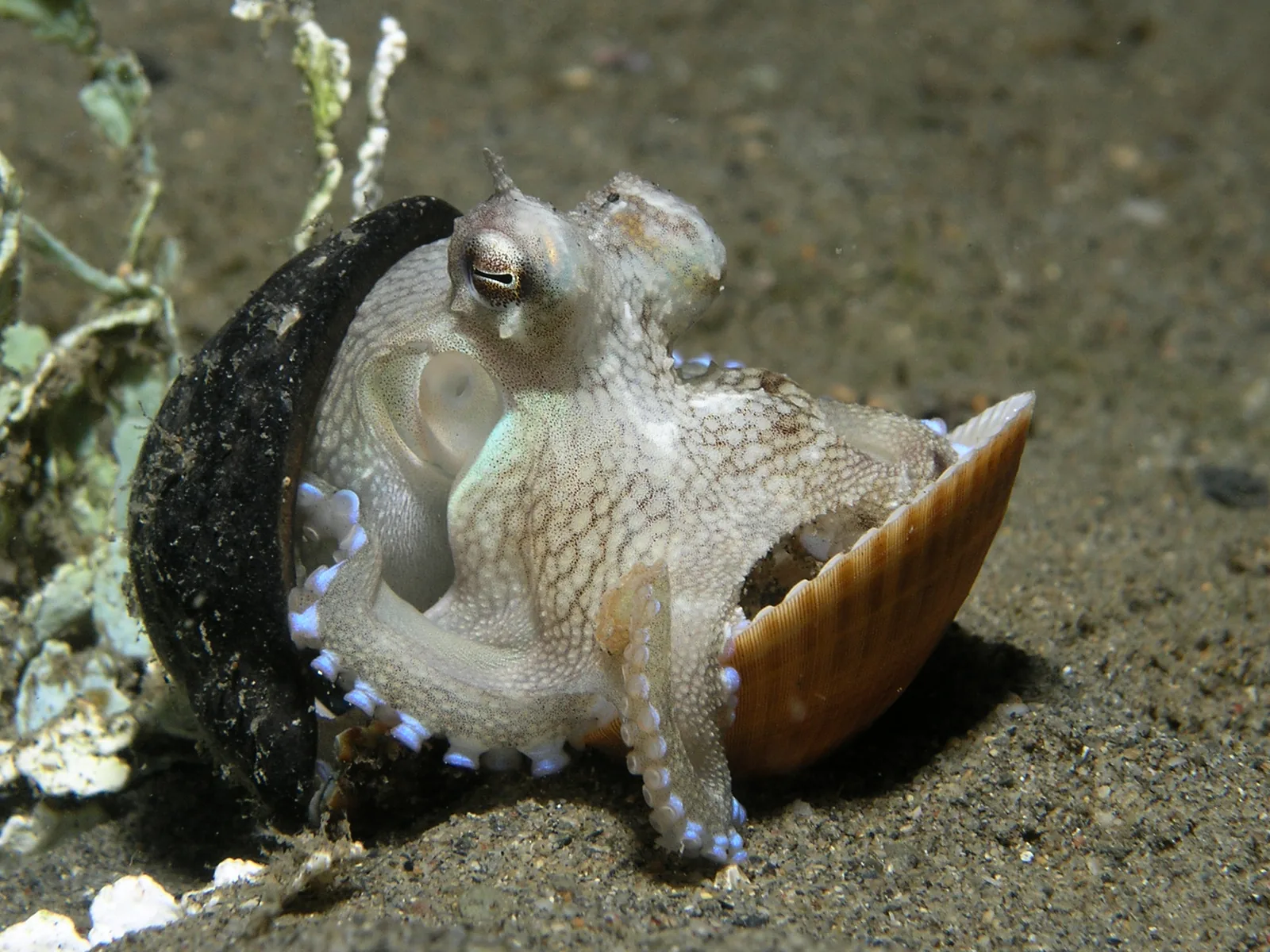
Part 3 of Sea Soul Secrets visits the octopus, the animal behind Little Octopus.
Three hearts, blue blood. An octopus has three hearts: one pumps blood around the body and the other two pump it to the gills. Its blood carries oxygen with copper-rich haemocyanin rather than iron-based haemoglobin, which makes it blue. BBC Science Focus explains that haemocyanin is less efficient, so the extra hearts help keep enough blood moving.
Colour without colour vision. The Monterey Bay Aquarium explains that millions of elastic cells under the skin, called chromatophores, hold coloured pigments that let the giant Pacific octopus match its background, even though it is colour-blind. National Geographic adds that octopuses can match textures too, and can release a cloud of black ink that hides them and dulls an attacker's sense of smell.
A grip full of suckers. A female giant Pacific octopus has about 2,240 suckers, and a male about 100 fewer. National Geographic notes that each sucker can be moved independently, and that an octopus can lose an arm to an attacker and grow a new one later.
A devoted mother. A female giant Pacific octopus lays between 18,000 and 74,000 eggs, then stays in her den for up to six months, fanning them with her arms and not eating. She usually dies soon after they hatch. Octopuses are quick learners too: in aquariums they open jars and solve puzzles.
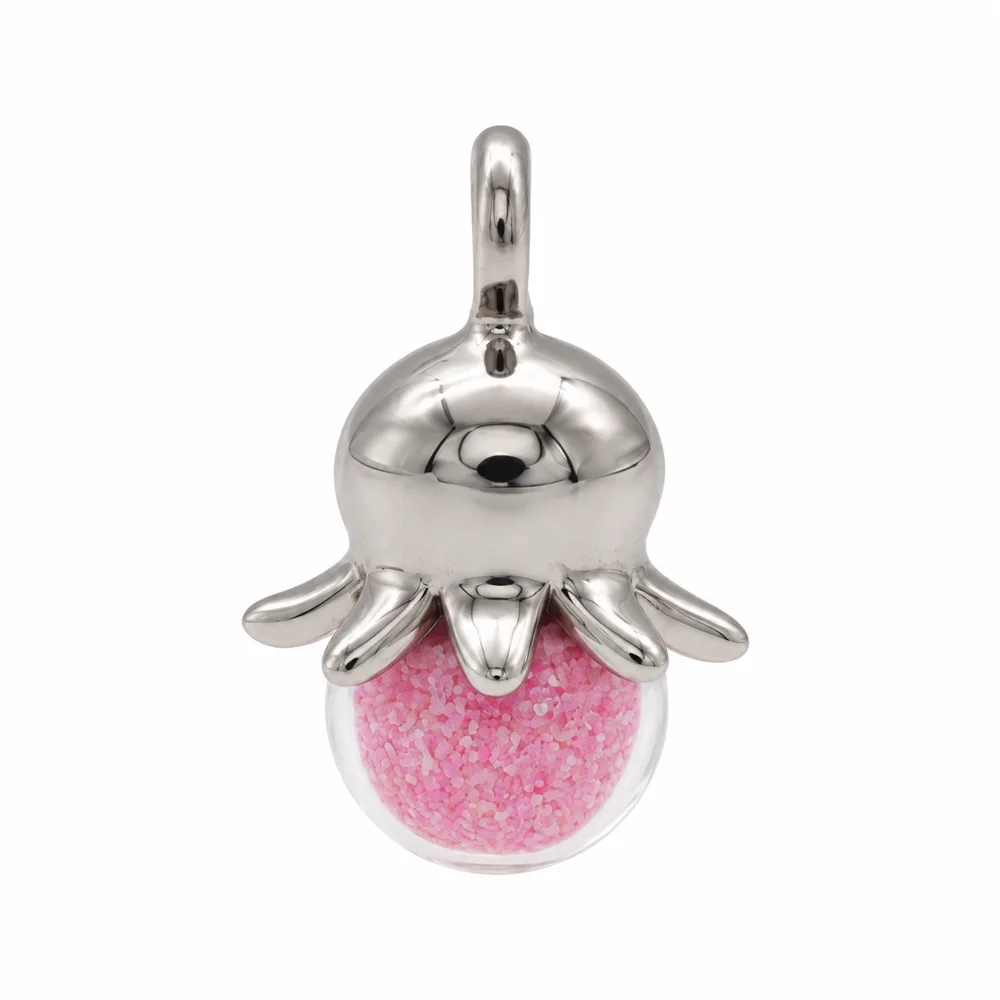
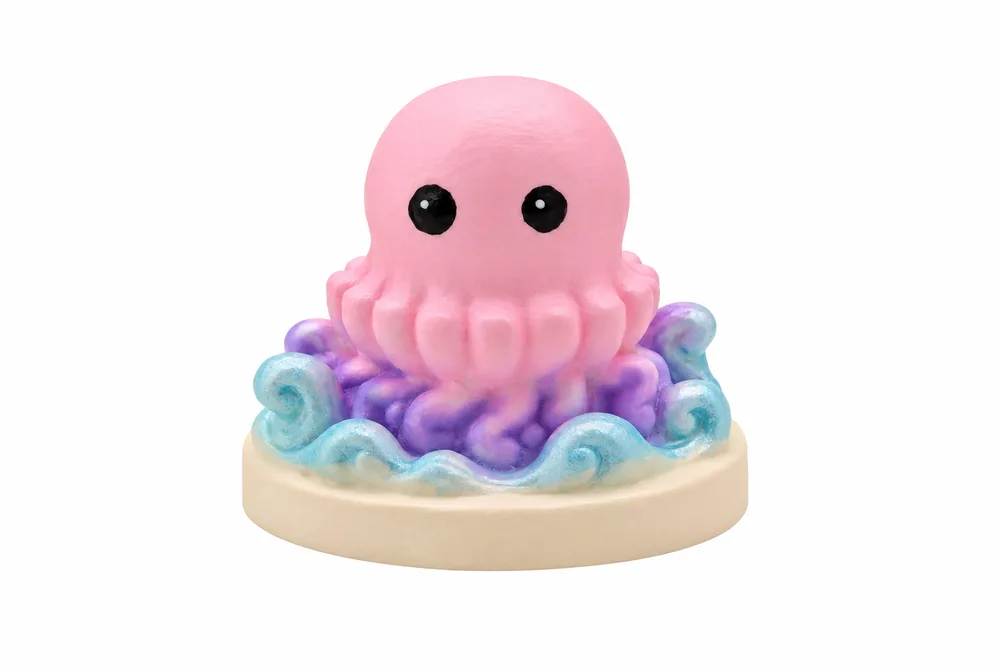
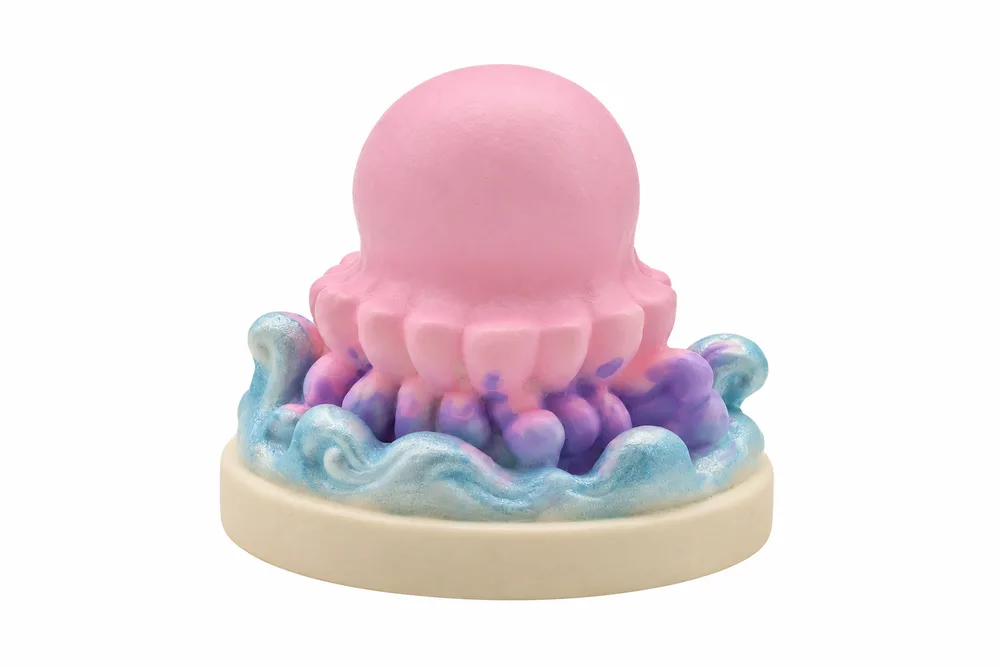
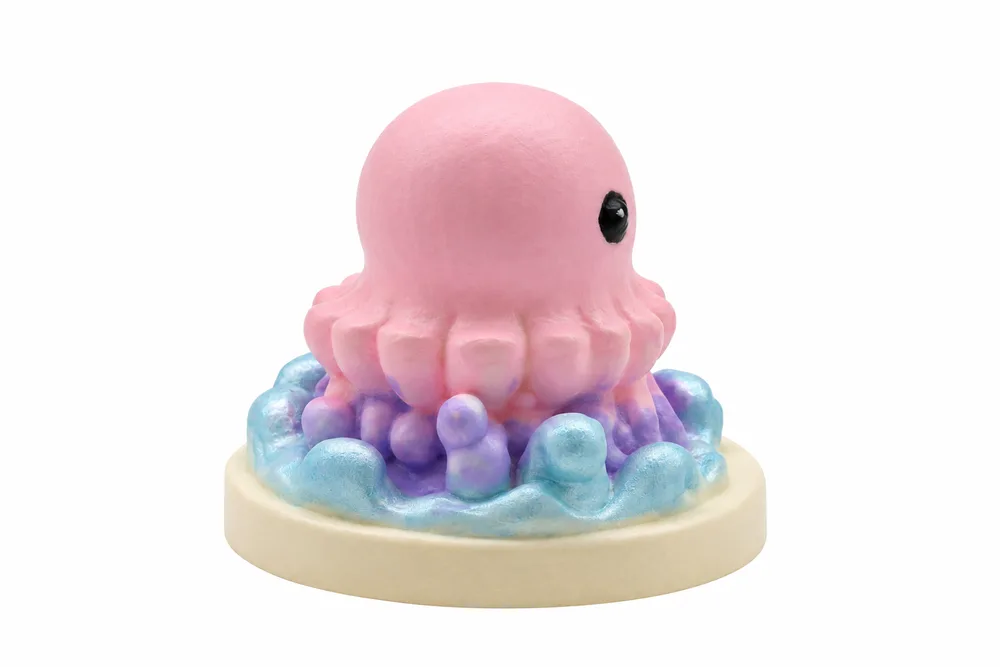
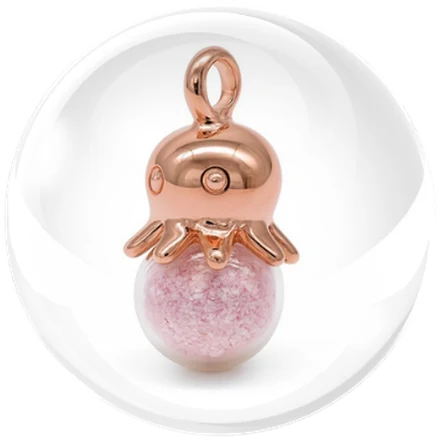
Meet Little Octopus in the Sea Soul collection.
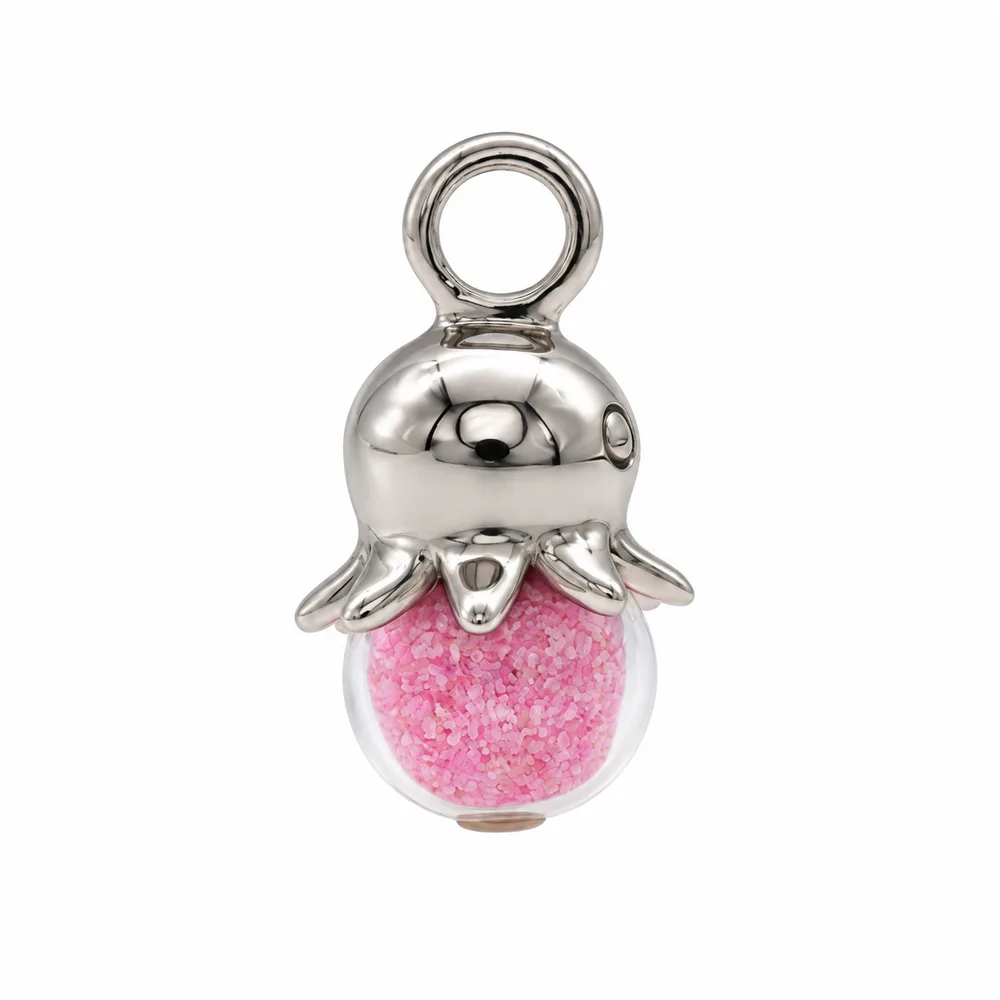
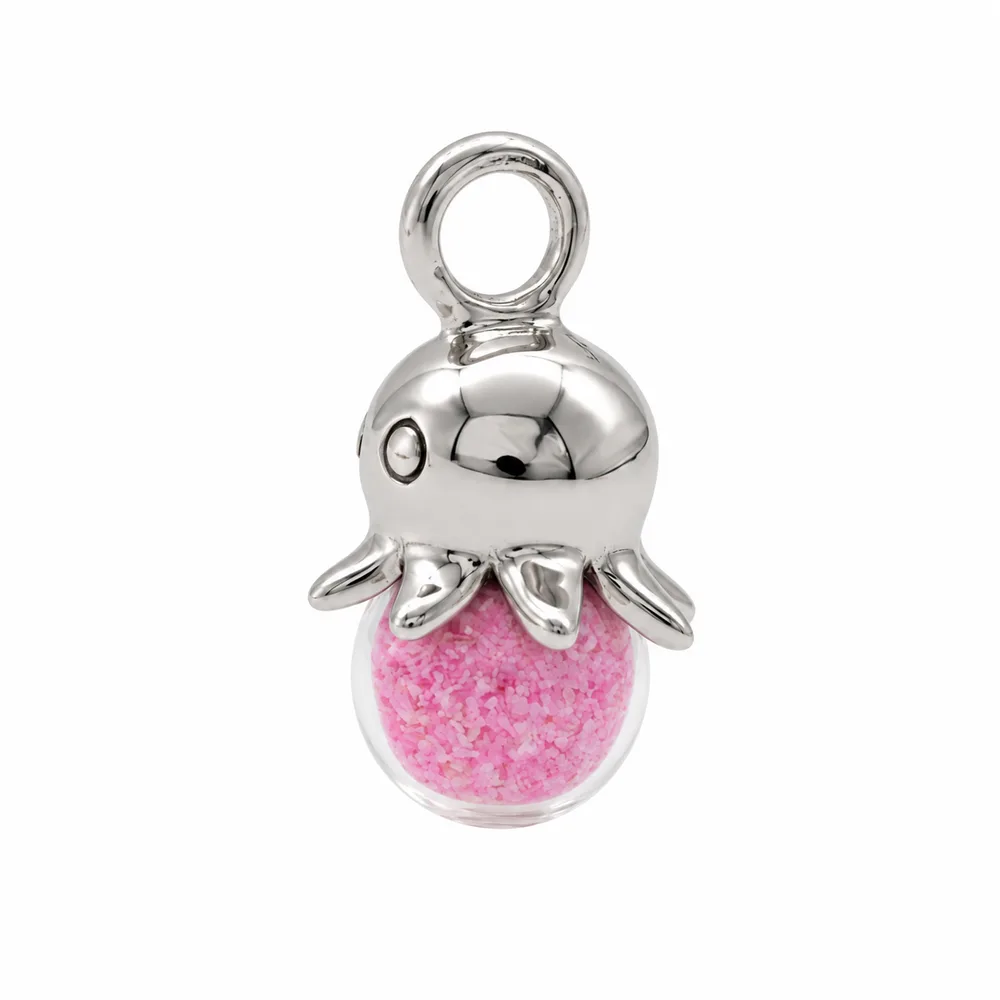
 Meet the charmLITTLE OCTOPUS Next in the seriesManta Ray Secrets