
Sea Soul series, part 2
Dolphin Secrets
Bottlenose dolphins call each other with signature whistles, rest one half of the brain at a time, and pass a hunting tool from mother to daughter.
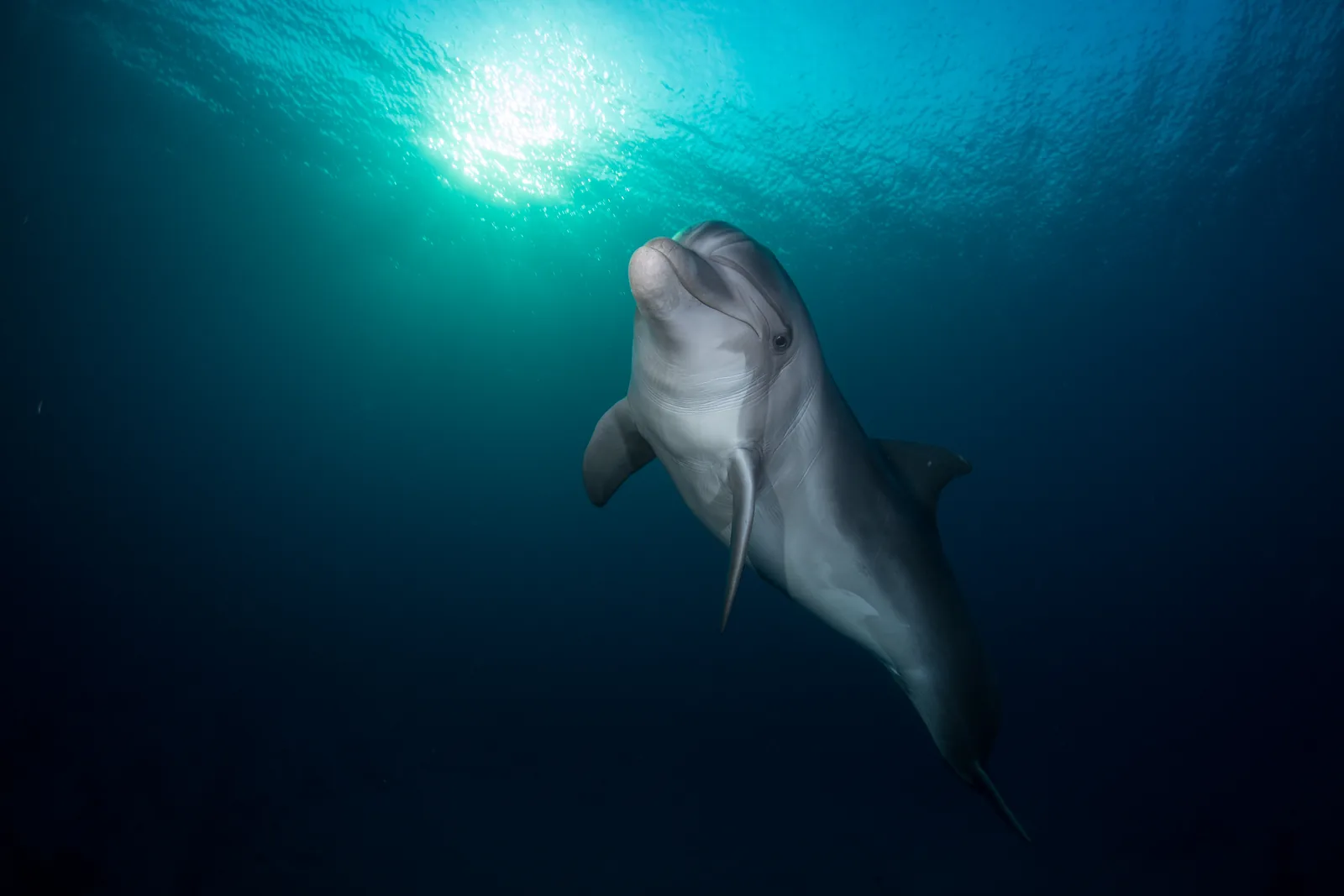
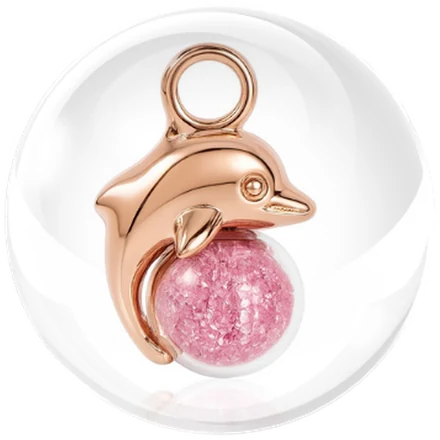
Part 2 of Sea Soul Secrets is about the bottlenose dolphin, the animal behind Sea Smile.
Dolphins have something close to names. The Sarasota Dolphin Research Program in Florida, which began in 1970 and is the longest-running study of a wild cetacean population in the world, found that each dolphin mostly uses one unique signature whistle. These whistles stay stable over a lifetime, especially for females. To reach a particular dolphin, another can copy its whistle, much like calling someone by name. The program's whistle database holds nearly 1,000 recording sessions of 324 individual dolphins.
They sleep with half a brain. Dolphins rest one hemisphere at a time, which researchers think lets them keep surfacing to breathe. In a study led by Brian Branstetter of the National Marine Mammal Foundation, dolphins stayed alert for at least 15 days in a row and used echolocation with near-perfect accuracy, and the female in the study kept up her tasks for the full 15 days.
Some use tools. In Shark Bay, Western Australia, certain dolphins break off basket-shaped sponges and carry them over their beaks to search rough seabed for fish without getting hurt. The skill passes mainly from mothers: 91 per cent of daughters took it up, compared with 25 per cent of sons.
They work as a team. NOAA Fisheries describes dolphins herding fish into groups and taking turns to charge through the school. Calves stay close for a long time, nursing for about 20 months.
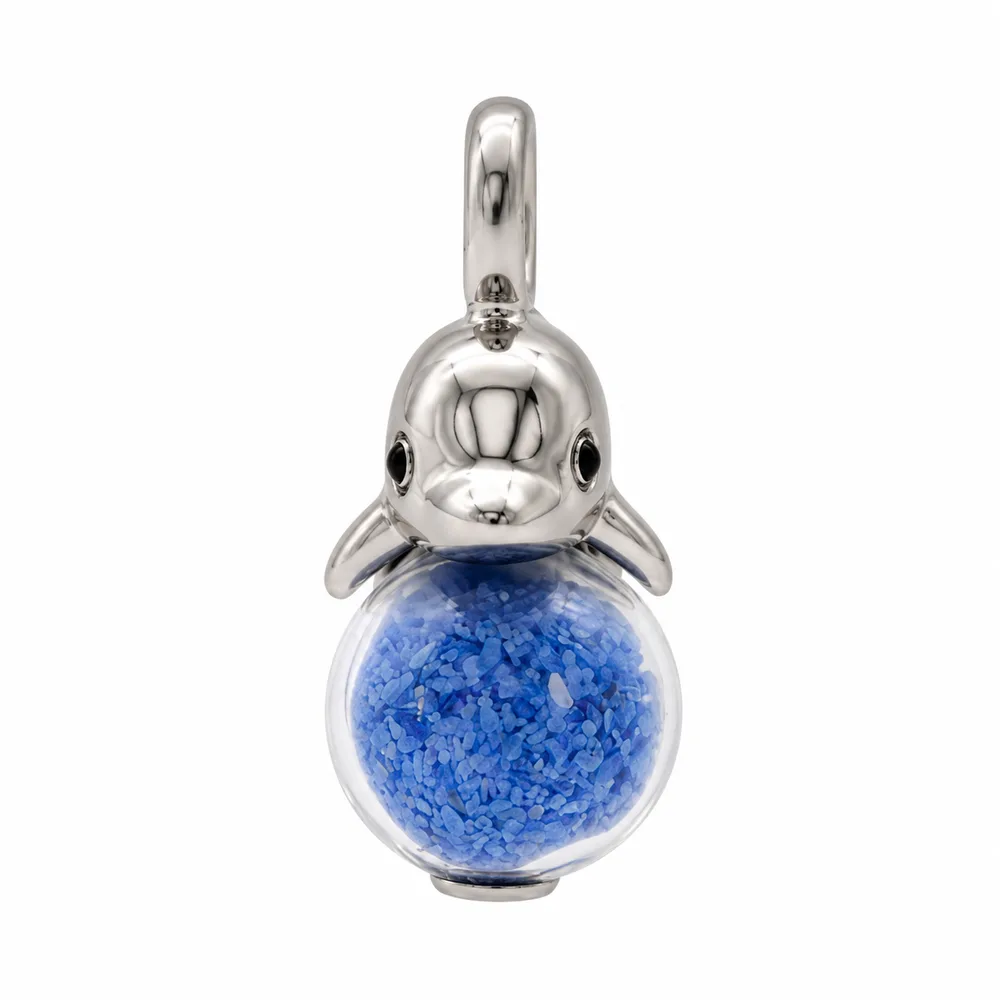
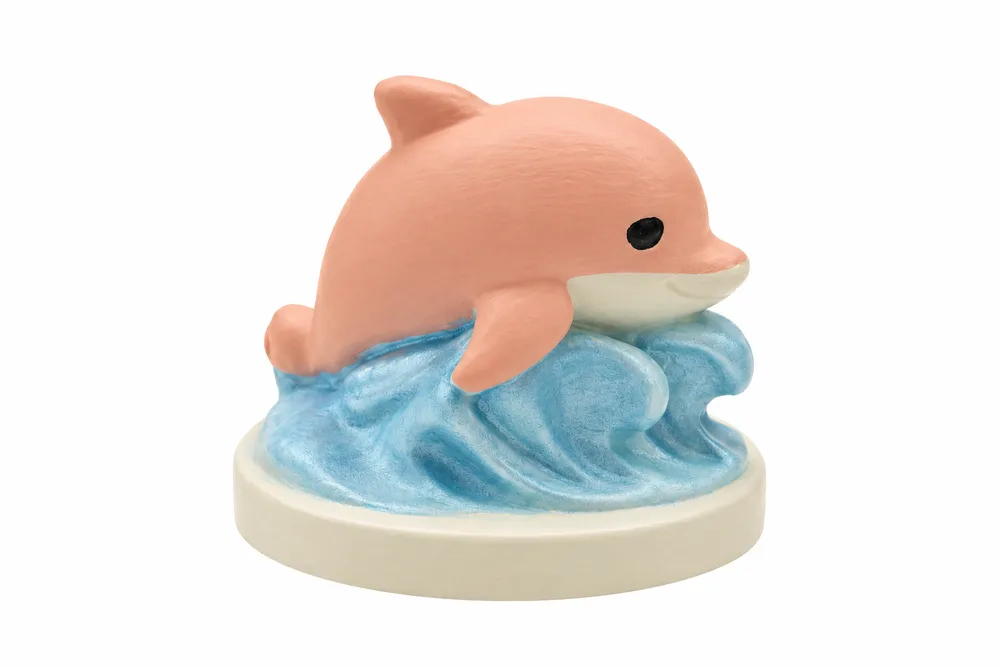
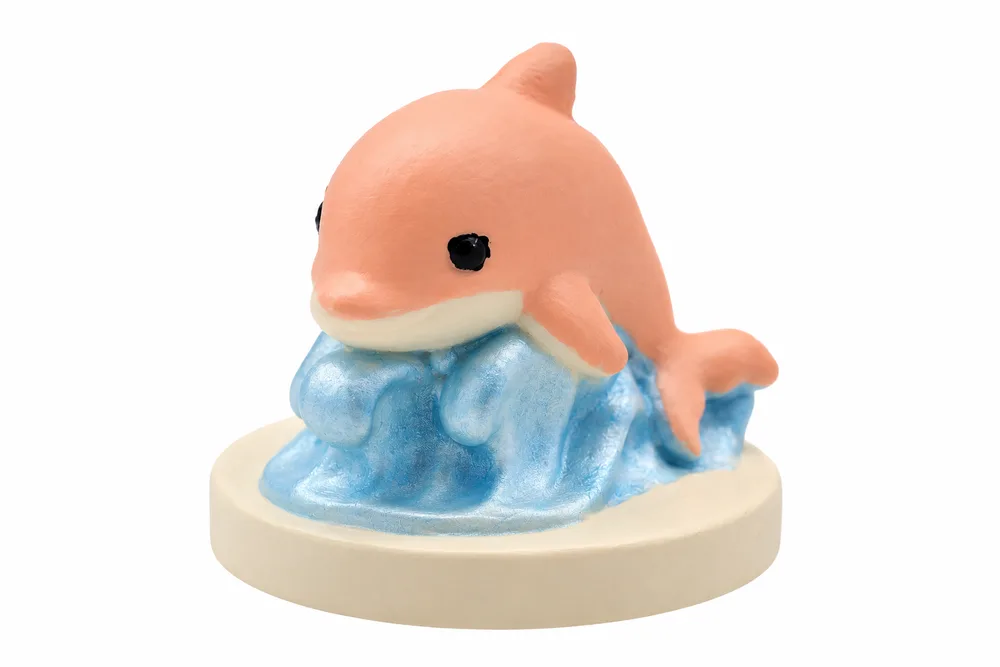
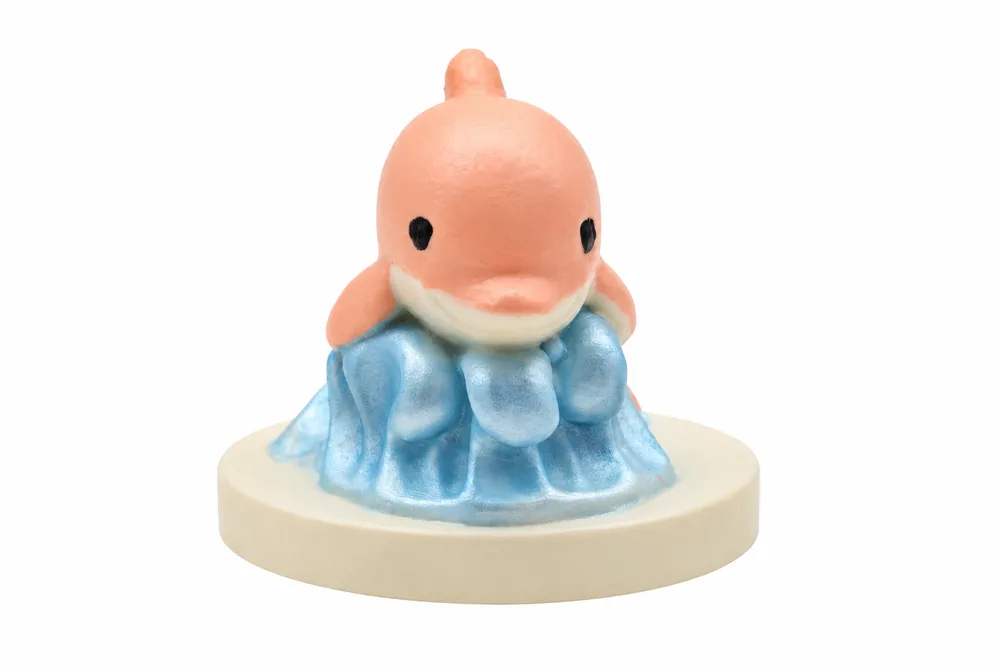
Meet Sea Smile in the Sea Soul collection.
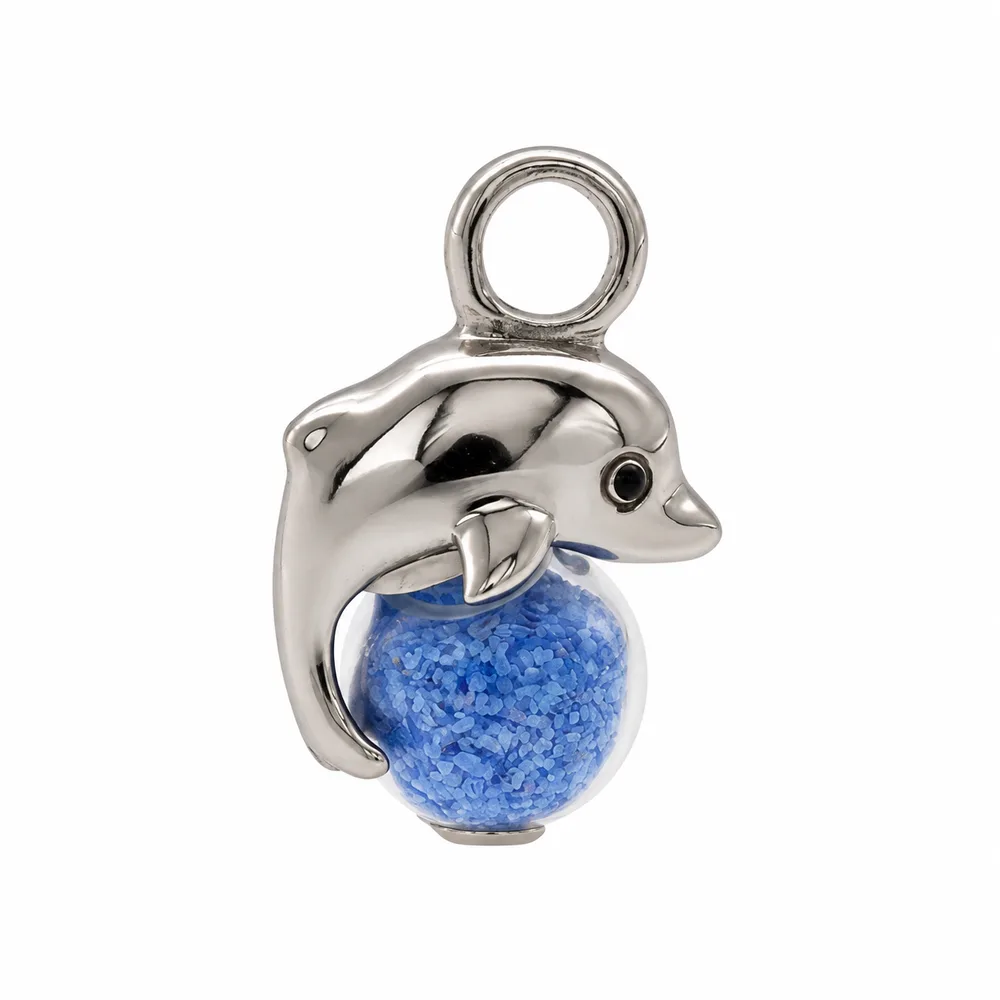
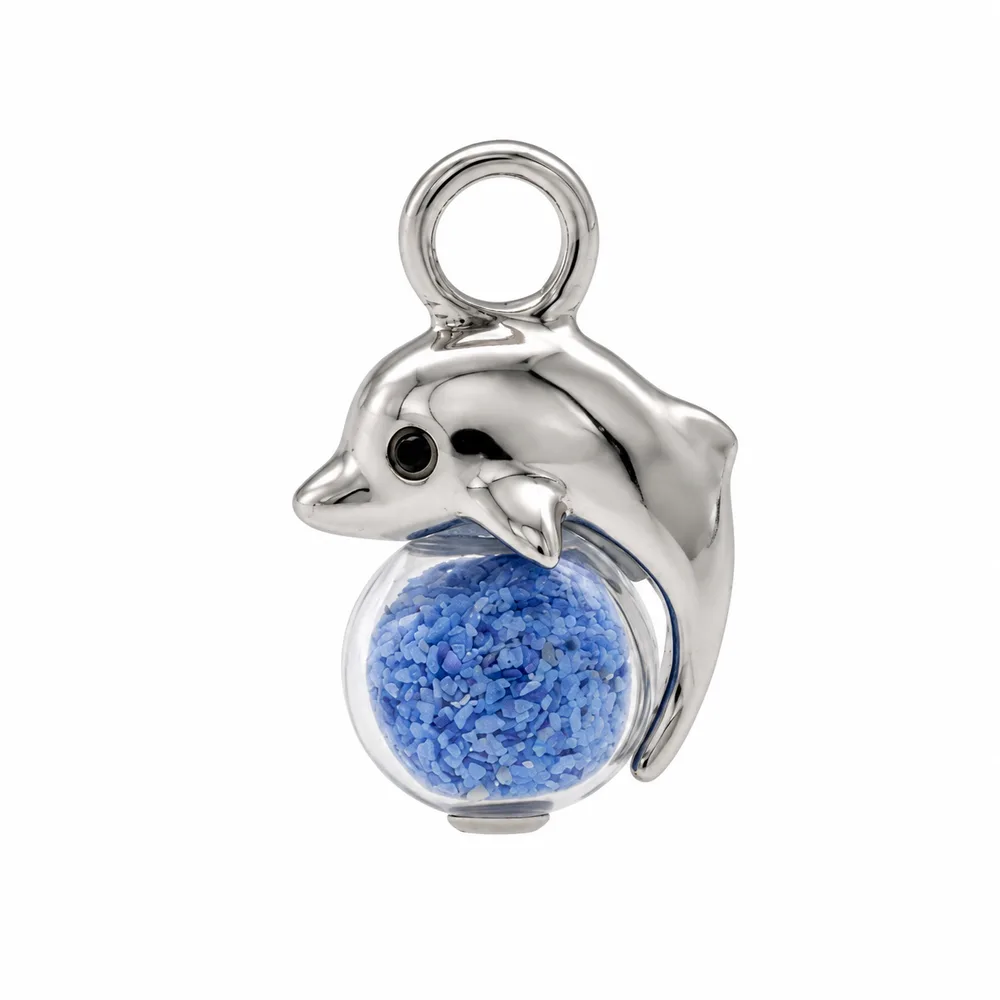
 Meet the charmSEA SMILE Next in the seriesOctopus Secrets