
Sea Soul series, part 5
Jellyfish Secrets
One jellyfish can turn back its life cycle, one seems to sleep without a brain, and one has 24 eyes.
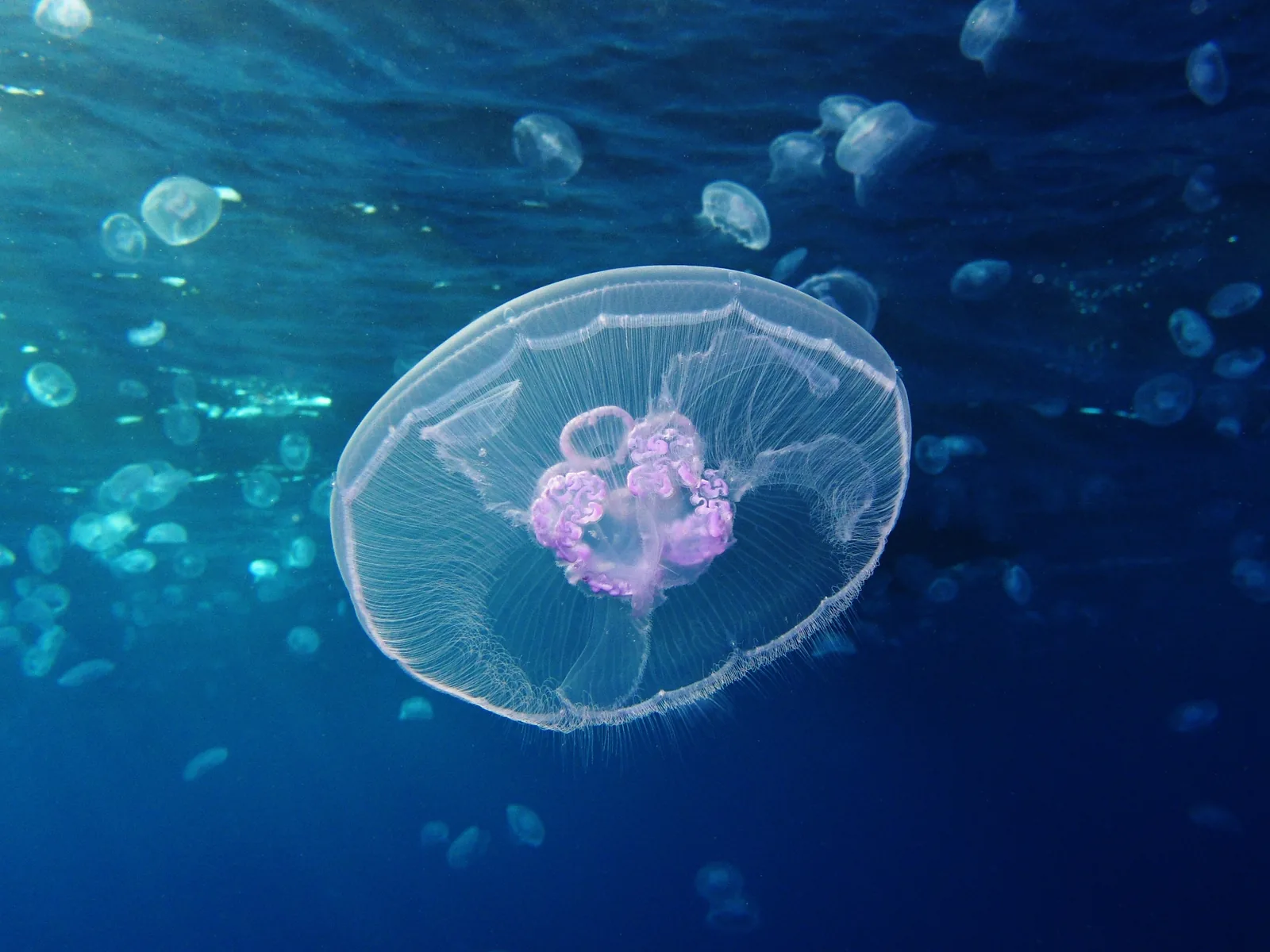
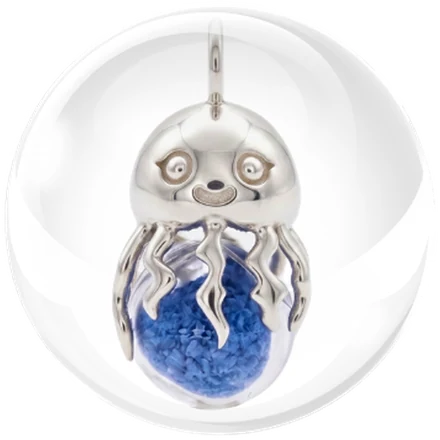
Part 5 of Sea Soul Secrets drifts toward the jellyfish, the animal behind Little Bobbing.
Simple bodies. NOAA's National Ocean Service notes that jellyfish have no brain, blood or heart, and are about 95 per cent water. A simple nerve net lets them smell, detect light and respond to their surroundings, and a single opening serves as both mouth and anus.
A jellyfish that starts over. Turritopsis dohrnii, discovered in the Mediterranean Sea in 1883, is only about 4.5 mm across, the size of a little fingernail. When it is injured or starving, it can turn back into a polyp, the early stage of its life. Within a few weeks the polyp releases new jellyfish that are genetically identical, which is why it is known as the immortal jellyfish.
Sleep without a brain. In 2017, researchers reported in Current Biology that upside-down jellyfish, Cassiopea, enter a sleep-like state. They watched 23 jellyfish and found they pulsed 32 per cent less at night. When the jellyfish were kept active for up to 12 hours overnight, they were significantly less active the next morning.
Twenty-four eyes. The box jellyfish Tripedalia cystophora, which lives among the roots of Caribbean mangroves, has 24 eyes of four kinds. Four of them always look up out of the water, whichever way the animal is facing. A 2011 study led by Anders Garm of the University of Copenhagen found that the jellyfish can see the mangrove canopy from at least 8 metres away and use it to navigate.
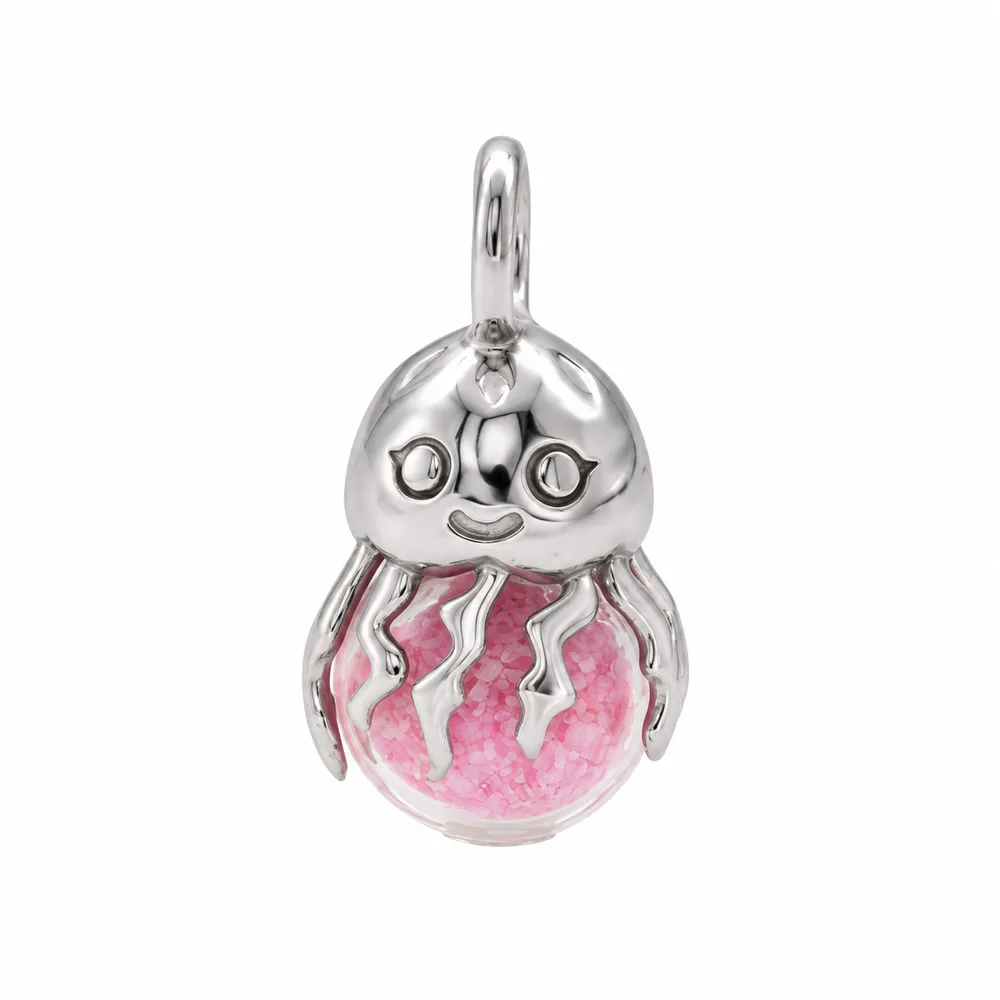
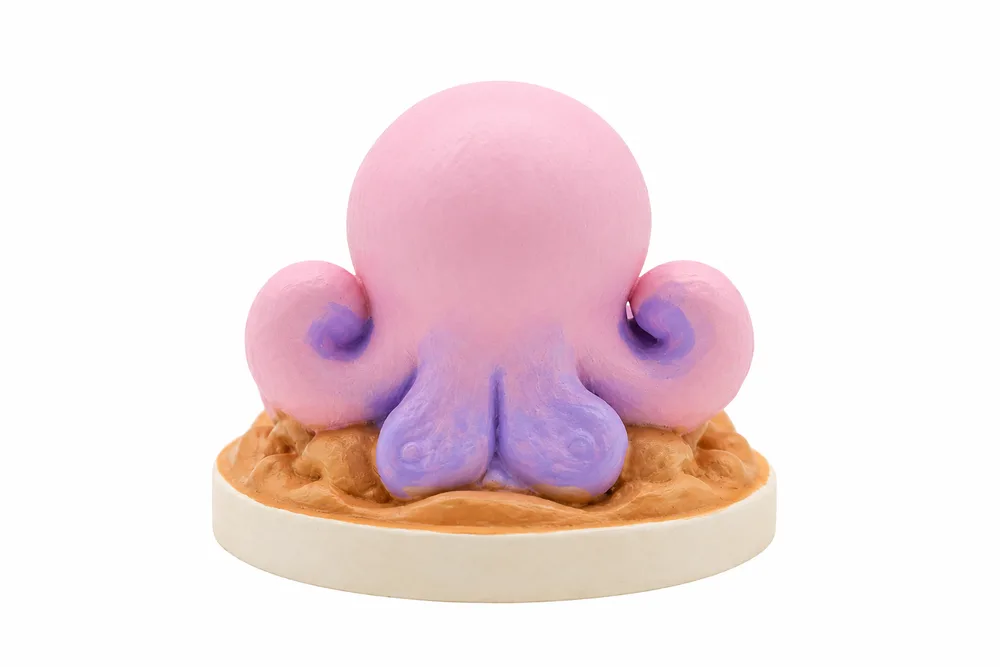
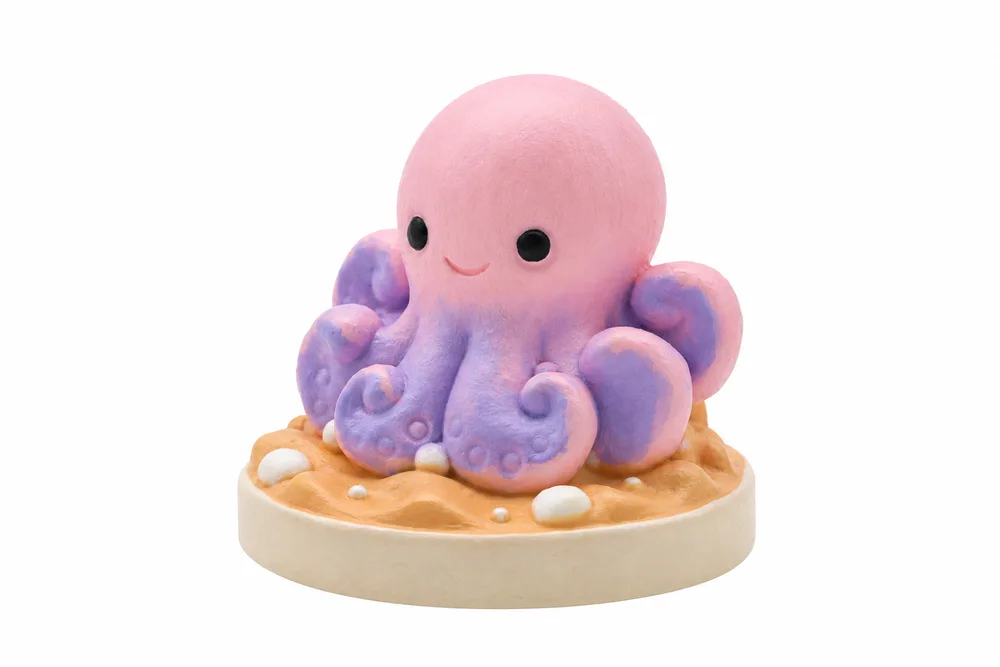
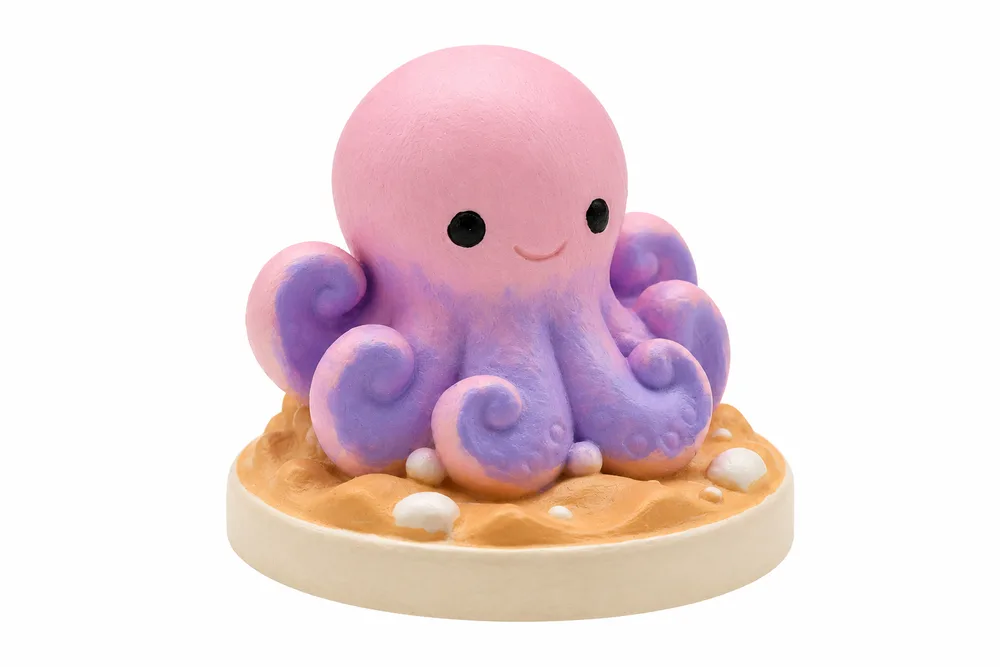
Meet Little Bobbing in the Sea Soul collection.
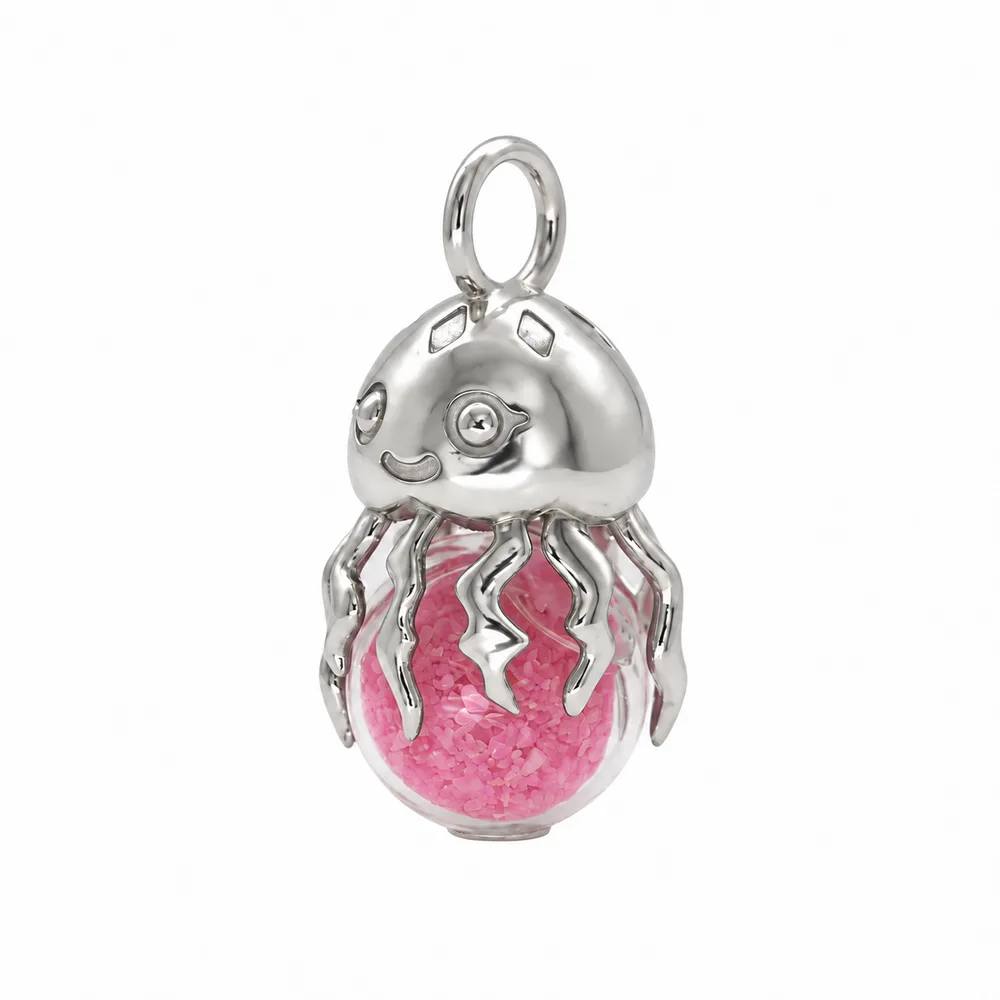
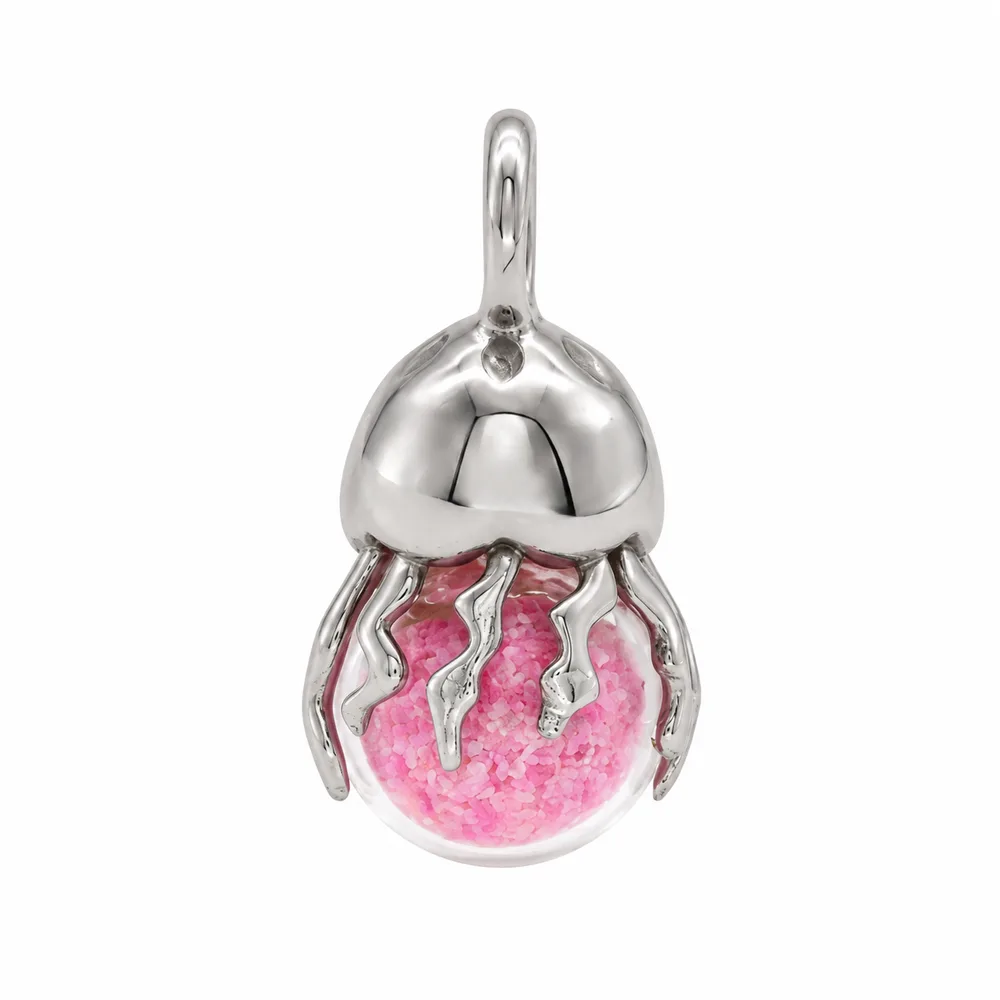
 Meet the charmLITTLE BOBBING Next in the seriesPufferfish Secrets