
Sea Soul series, part 6
Pufferfish Secrets
Pufferfish swell to about three times their volume, eat with a beak of fused teeth, and one small species draws 2-metre circles in the sand.
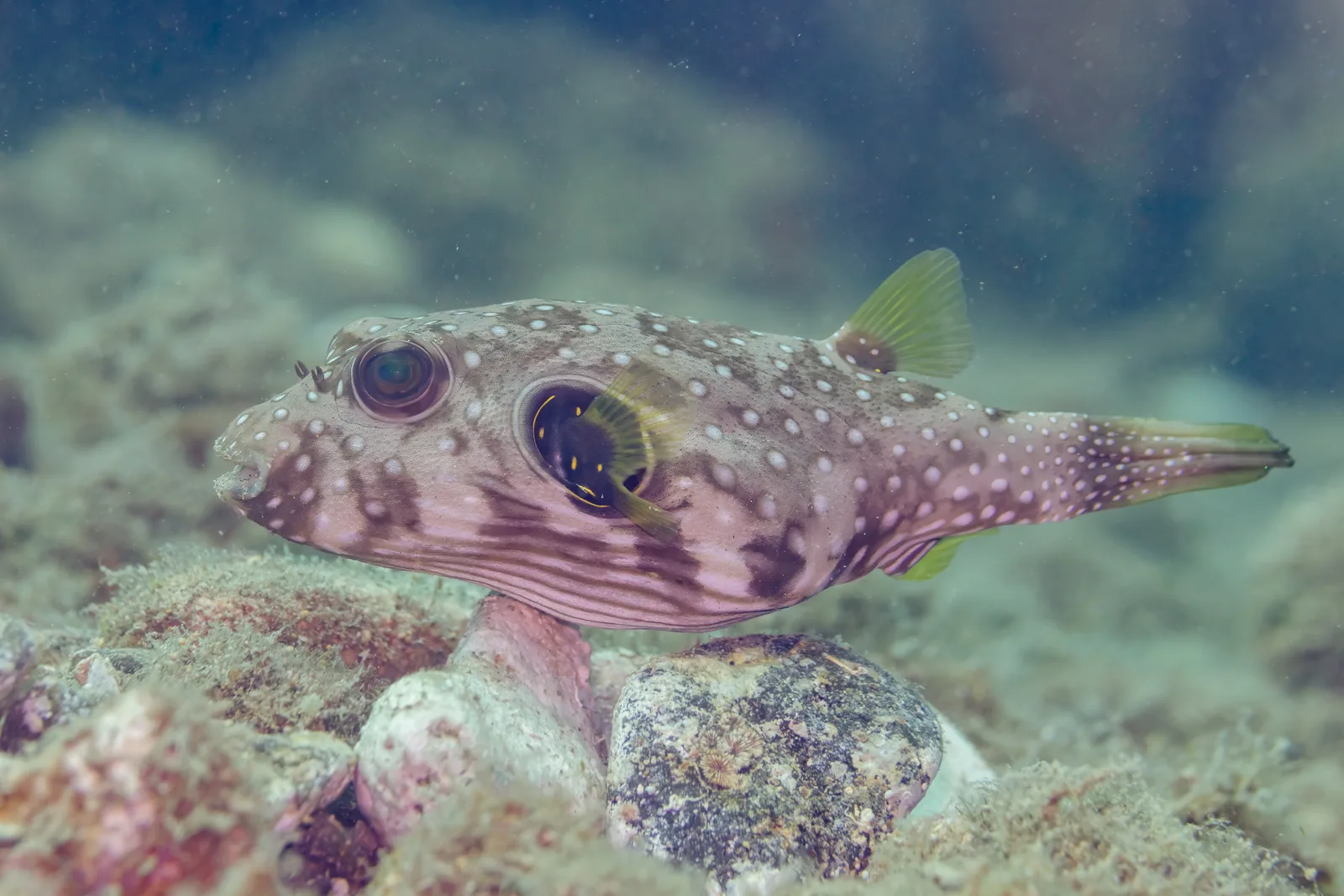
Part 6 of Sea Soul Secrets meets the pufferfish, the animal behind Puffy Cheek. National Geographic counts more than 120 species worldwide, from a 1-inch dwarf puffer to species up to 3 feet long.
The famous puff. When threatened, a puffer gulps water and pumps it into its stomach. The University of Texas Marine Science Institute notes that one spiny species, the balloonfish, swells to about 3 times its usual volume, and that the stomach's many folds let it expand 50 to 100 times. Puffers have no ribs or pelvis, so a flexible spine can curve over the full stomach while hundreds of sharp spines stand up.
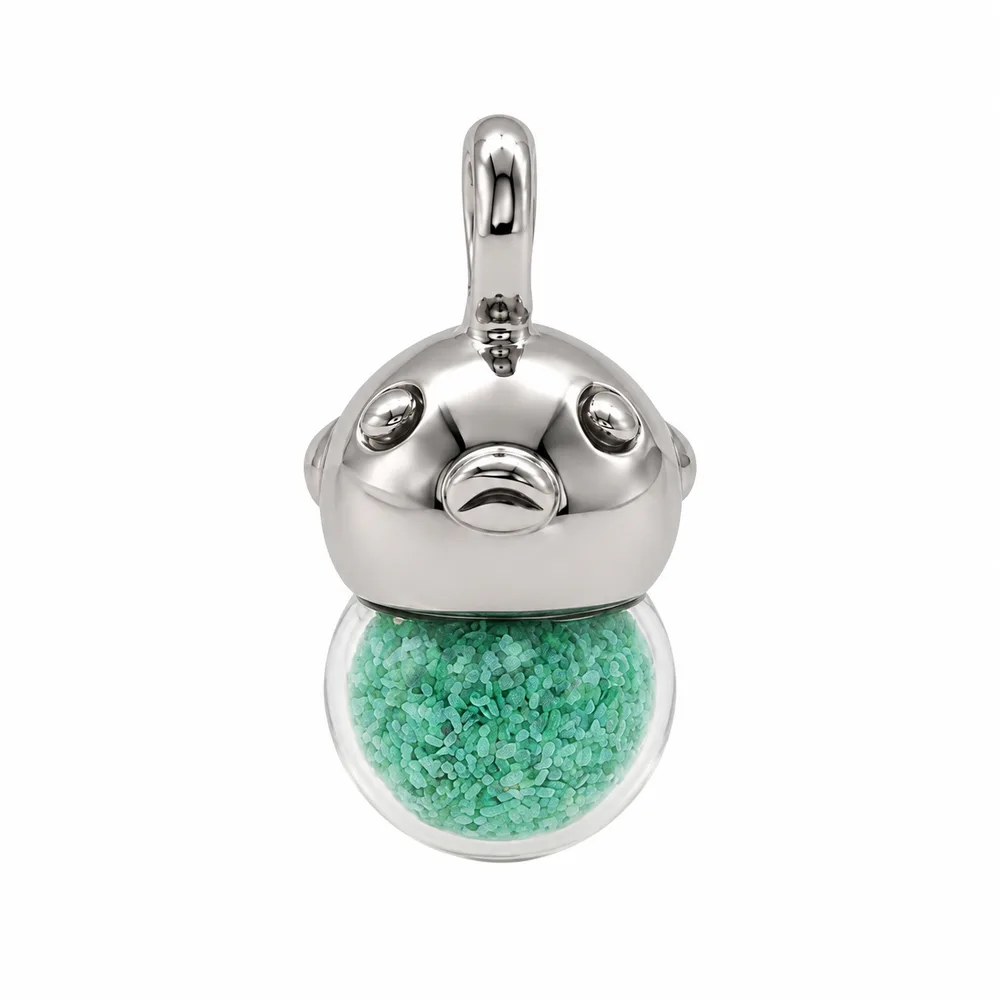
A beak for a mouth. All pufferfish have four teeth fused together into a beak-like shape, National Geographic explains.
A strong toxin. Pufferfish can carry tetrodotoxin, which National Geographic describes as up to 1,200 times more poisonous than cyanide, with enough in one fish to kill 30 adults and no known antidote. In Japan, where the fish is called fugu, only trained, licensed chefs may prepare it.
An artist on the seabed. Researchers at Osaka University studied a pufferfish about 10 cm long that builds a circular structure about 2 metres across on the sea floor, with deep ditches radiating around the outer ring and a maze of shallow ditches in the middle. The structure is a spawning bed for attracting a female, and the fish digs its ditches in straight lines, working from the outside in.
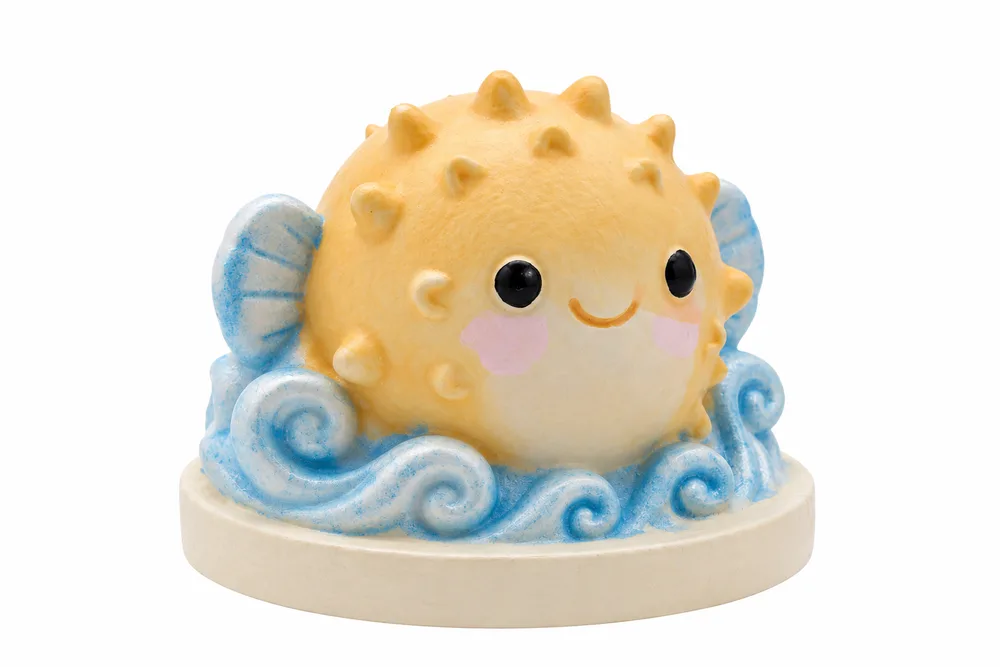
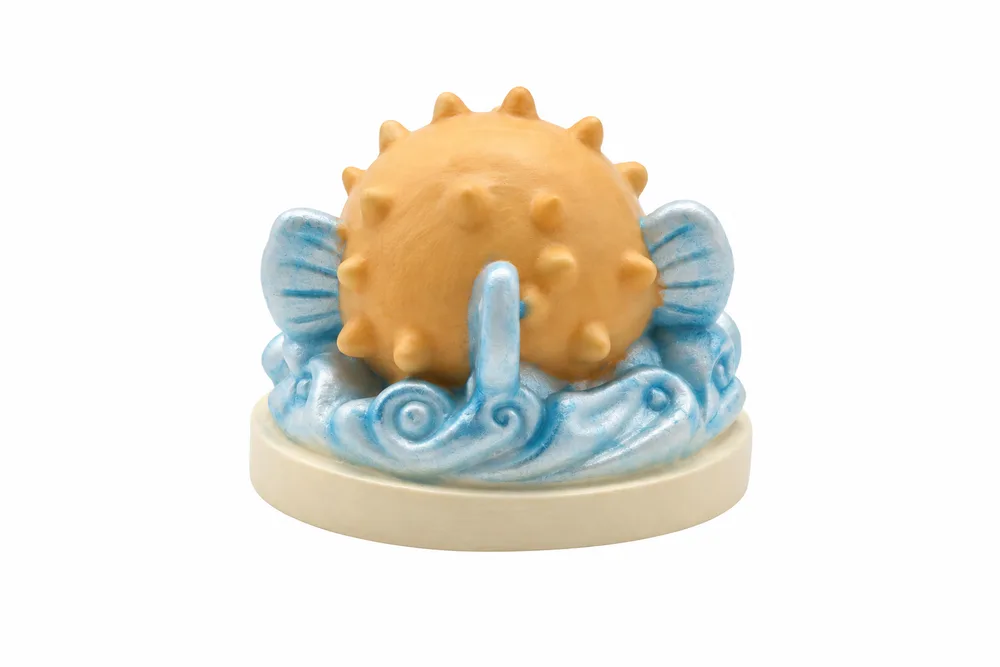
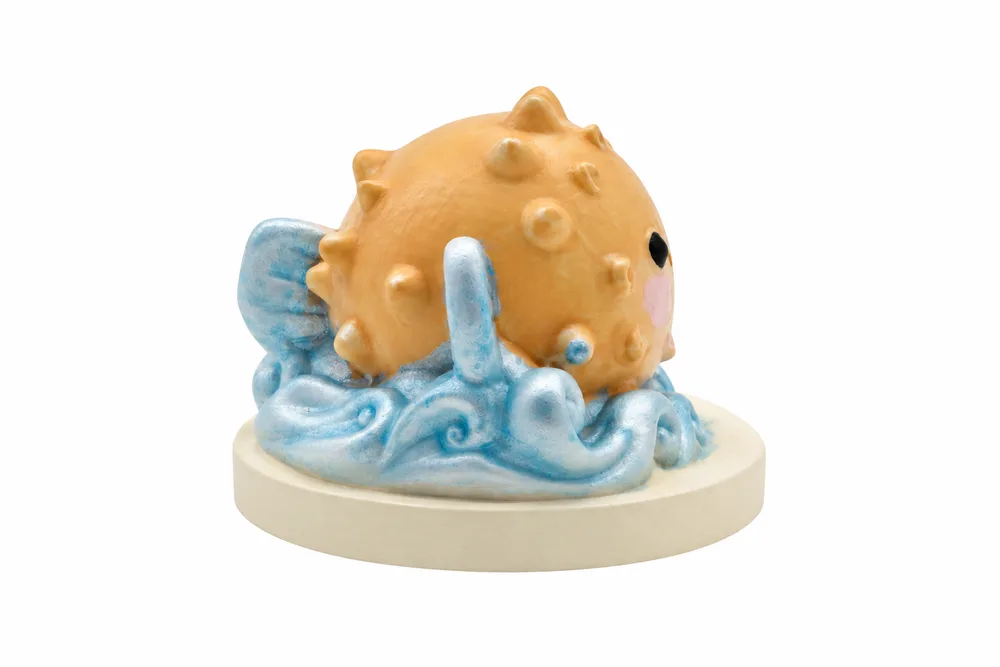
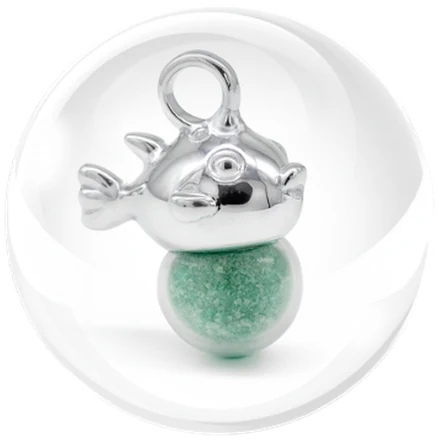
Meet Puffy Cheek in the Sea Soul collection.
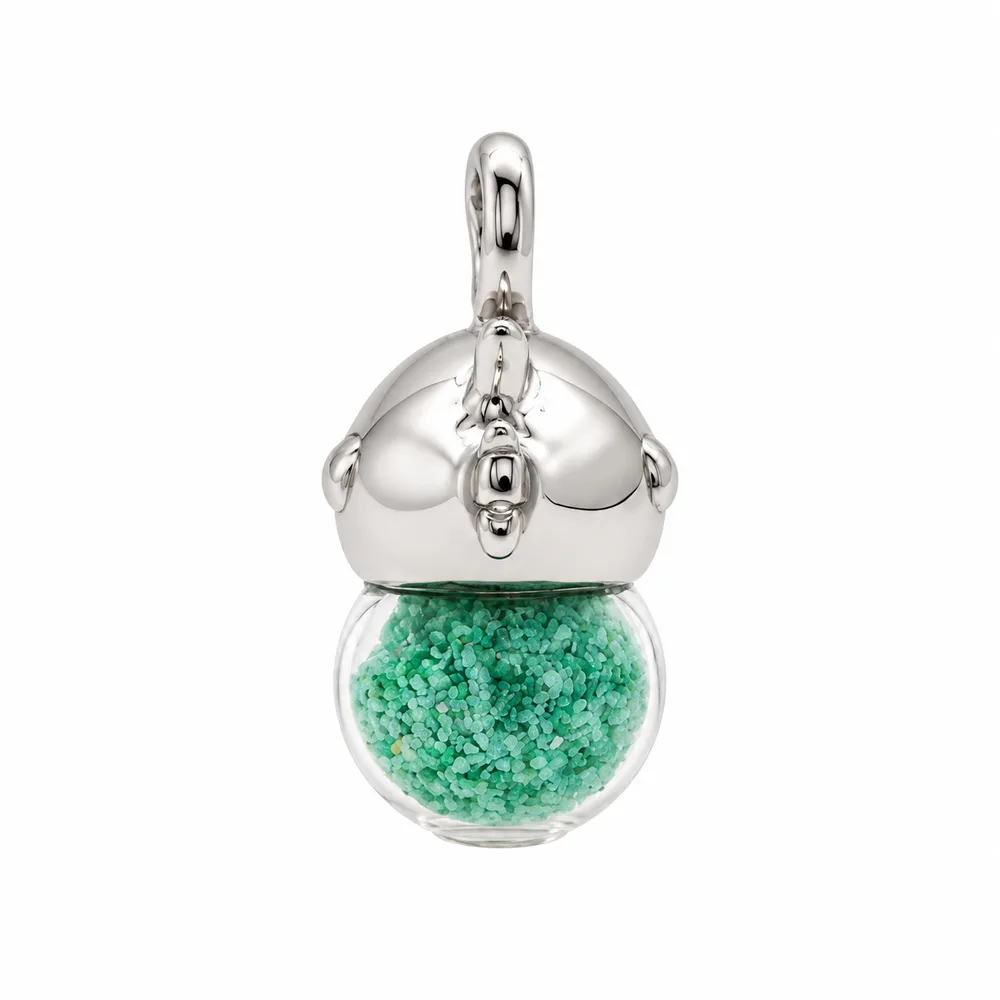
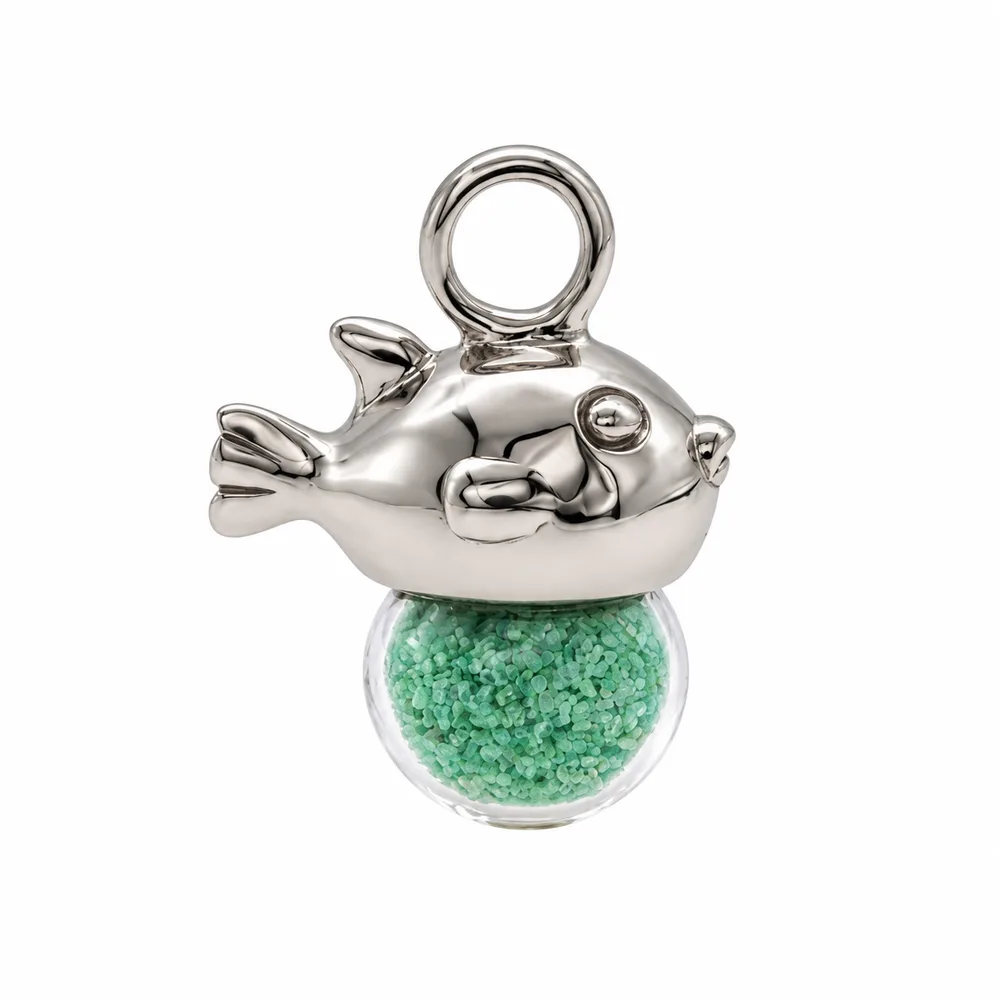
 Meet the charmPUFFY CHEEK Next in the seriesSeahorse Secrets