
Sea Soul series, part 7
Seahorse Secrets
Male seahorses give birth, couples greet each other with a morning dance, and seahorses are the slowest-moving fish on record.
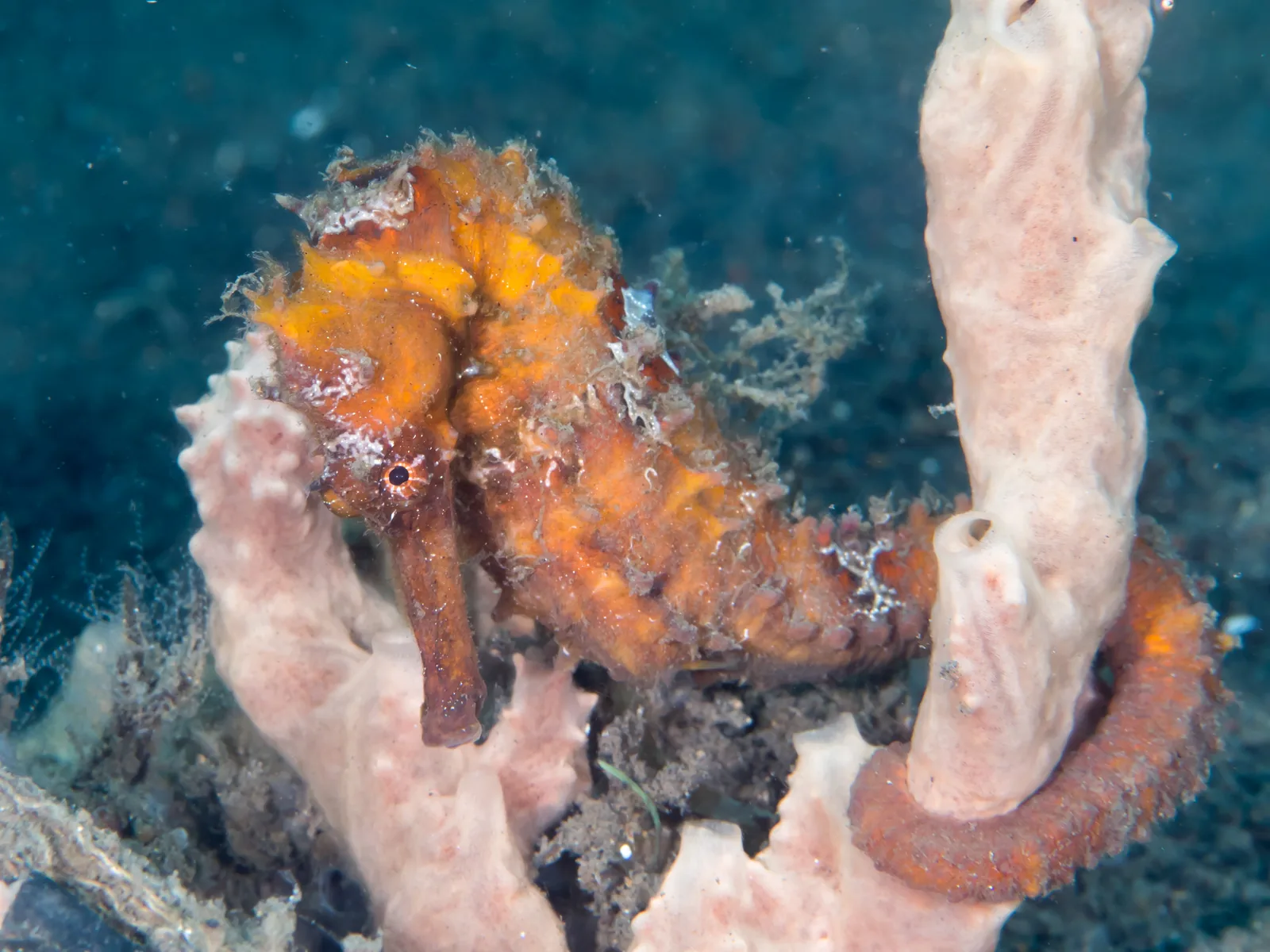
Part 7 of Sea Soul Secrets settles in with the seahorse, the animal behind Little Seahorse. NOAA counts 47 known seahorse species, 14 of them identified only in the 21st century.
Dads give birth. NOAA's National Ocean Service explains that the female transfers her eggs into the male's brood pouch, where they are fertilised. After two to four weeks, the male's belly ripples and strong contractions push out anywhere from a few dozen to as many as 1,000 fully formed babies. Only about 0.5 per cent survive to adulthood.
A morning dance. Psychology Today describes seahorse couples meeting every morning for ritual dances of twists and twirls that can last from minutes to hours. National Geographic adds that during courtship, seahorses circle each other, flash colours and intertwine their tails, sometimes for days.
Eyes that work alone, and no stomach. A seahorse's eyes move independently of each other, like a chameleon's. Seahorses have no teeth and no stomach for storing food, so they use their long snouts to suck up plankton almost constantly.
Slow by design. Guinness World Records lists seahorses as the slowest-moving marine fish, at 0.016 km per hour. Their push comes mainly from a small dorsal fin that can beat up to 70 times a second, and they grip seagrass or coral with their tails to avoid drifting.
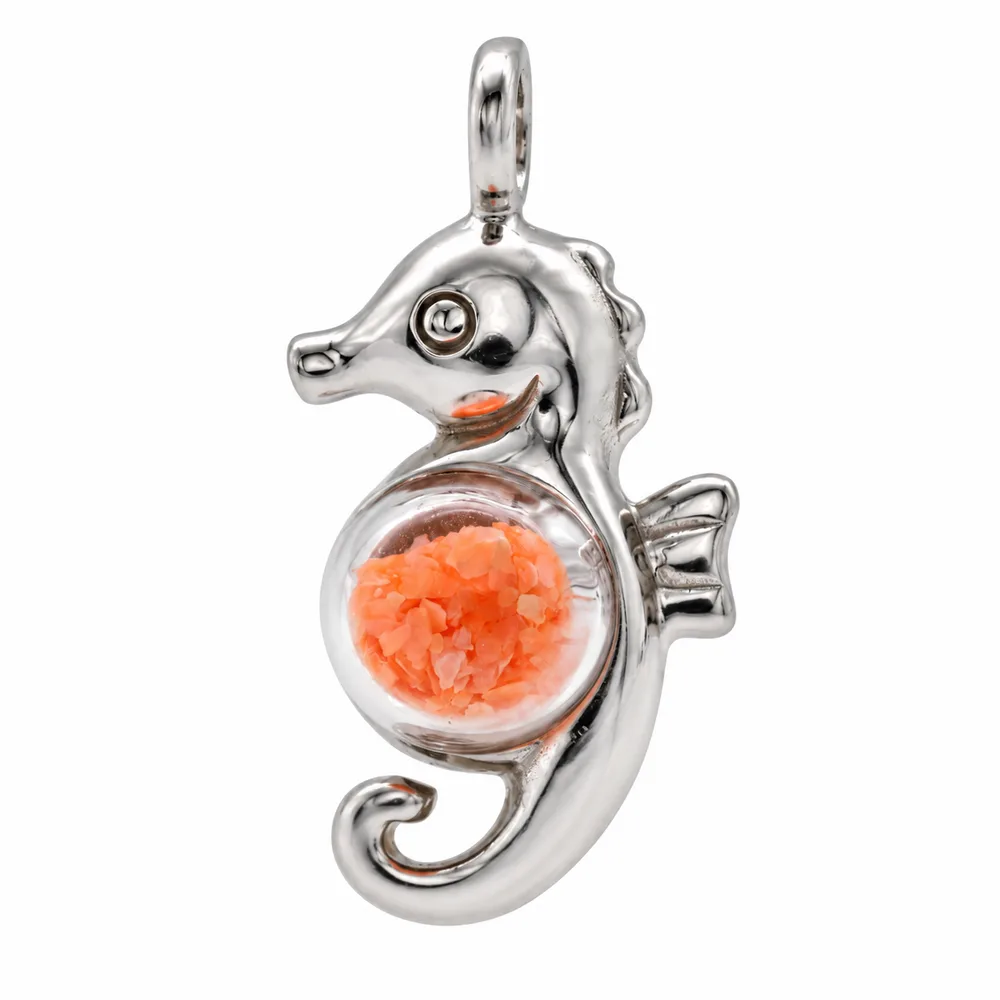
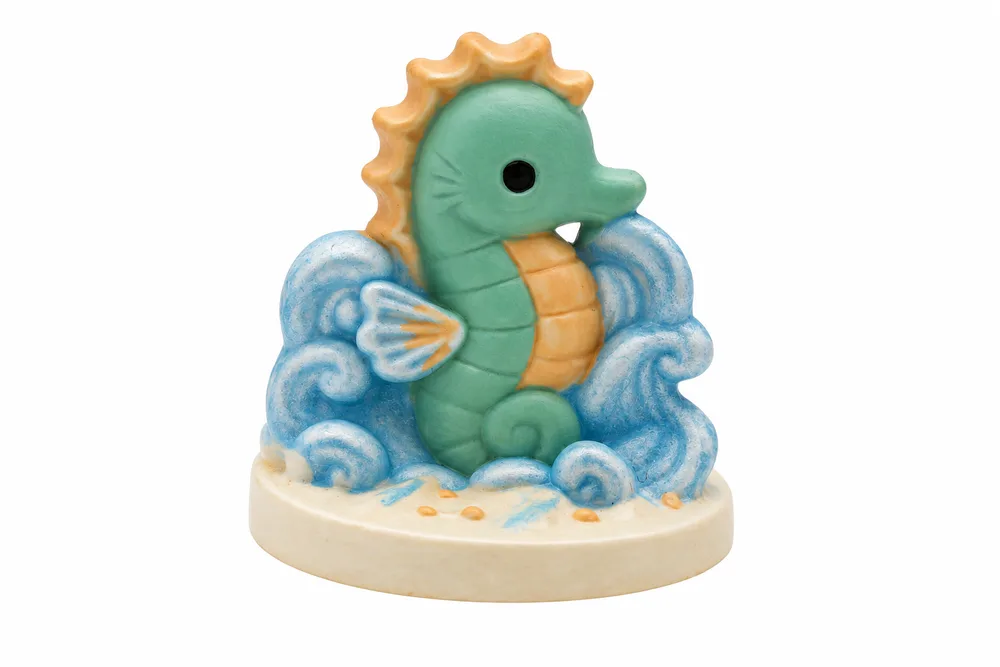
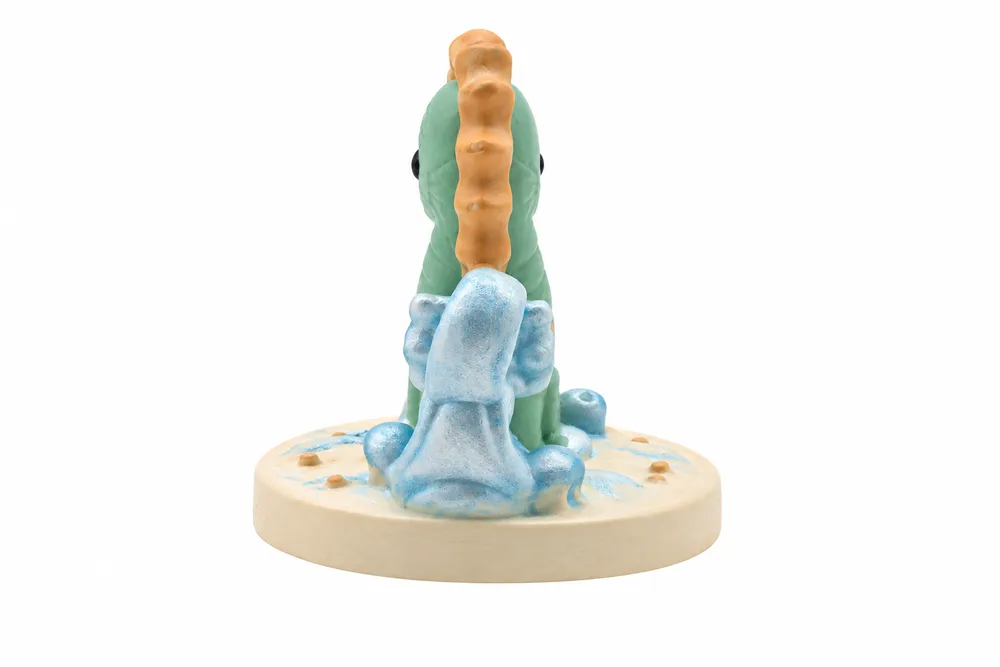
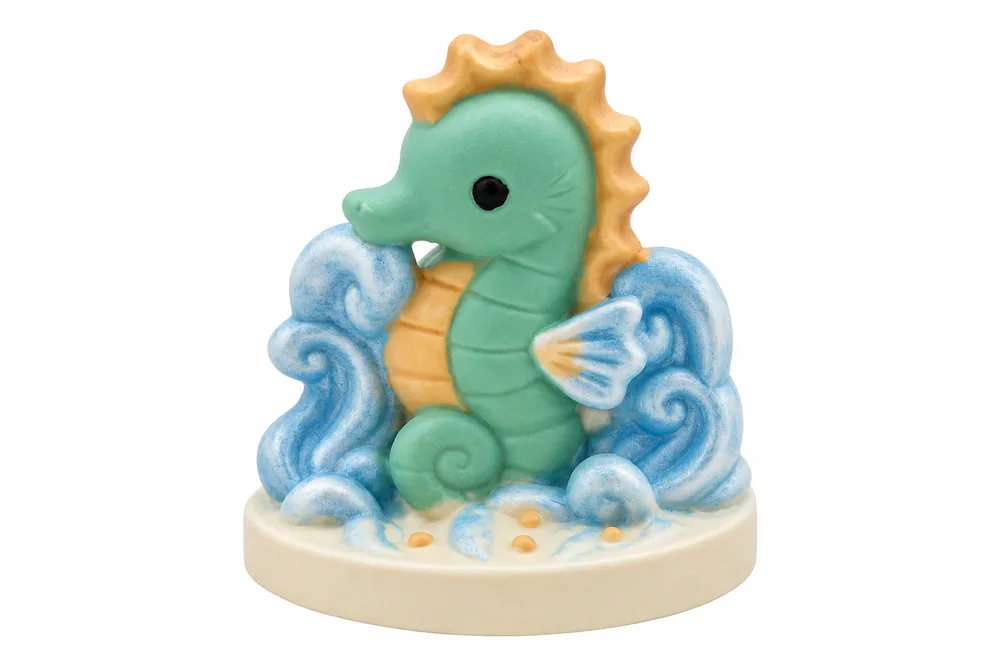
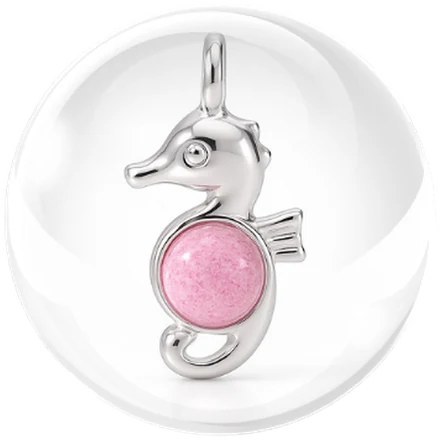
Meet Little Seahorse in the Sea Soul collection.
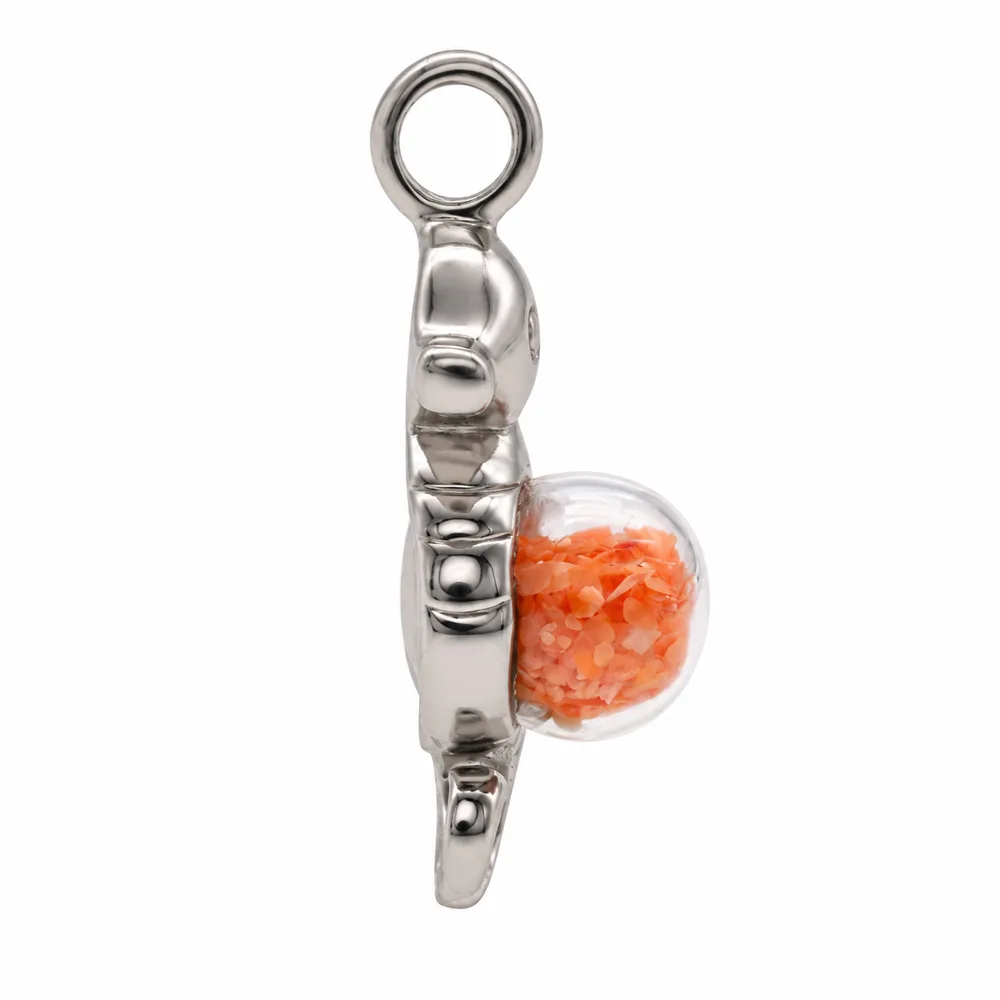
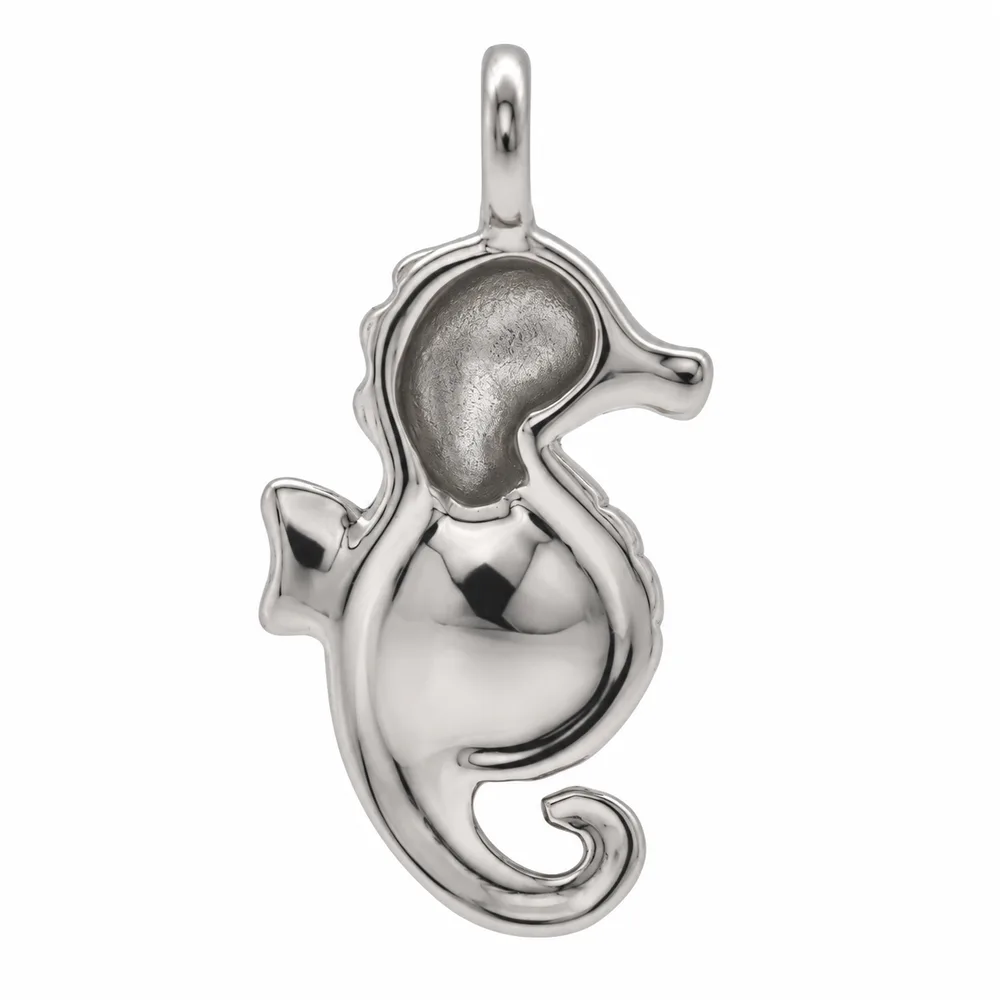
 Meet the charmLITTLE SEAHORSE Next in the seriesShark Secrets