
Sea Soul series, part 8
Shark Secrets
Sharks sense electric fields, one species lives for centuries, and the biggest shark of all eats plankton.
Part 8 of Sea Soul Secrets swims with the shark, the animal behind Little Shark. Sharks have more sides to them than their reputation suggests.
A sixth sense. Sharks and rays have pores around the mouth that lead into jelly-filled canals called ampullae of Lorenzini, named after a 17th-century Italian physician. All animals give off weak electric fields, and these organs pick them up, helping stingrays, for example, find shrimp and small fish hidden on the seafloor. Researcher Stephen Kajiura told KQED that scientists only discovered this electric sense in sharks in 1966.
Centuries-old swimmers. Scientists dated 28 female Greenland sharks using the eye lens, whose centre does not change from birth. As reported by BBC Wildlife, they found a life expectancy of at least 272 years, with the largest shark estimated at around 400 years old. Greenland sharks reach maturity at around 150 years.
Teeth on repeat. National Geographic notes that a great white shark has around 300 teeth in seven rows and keeps growing new ones throughout its life, unlike people, who get only two sets.
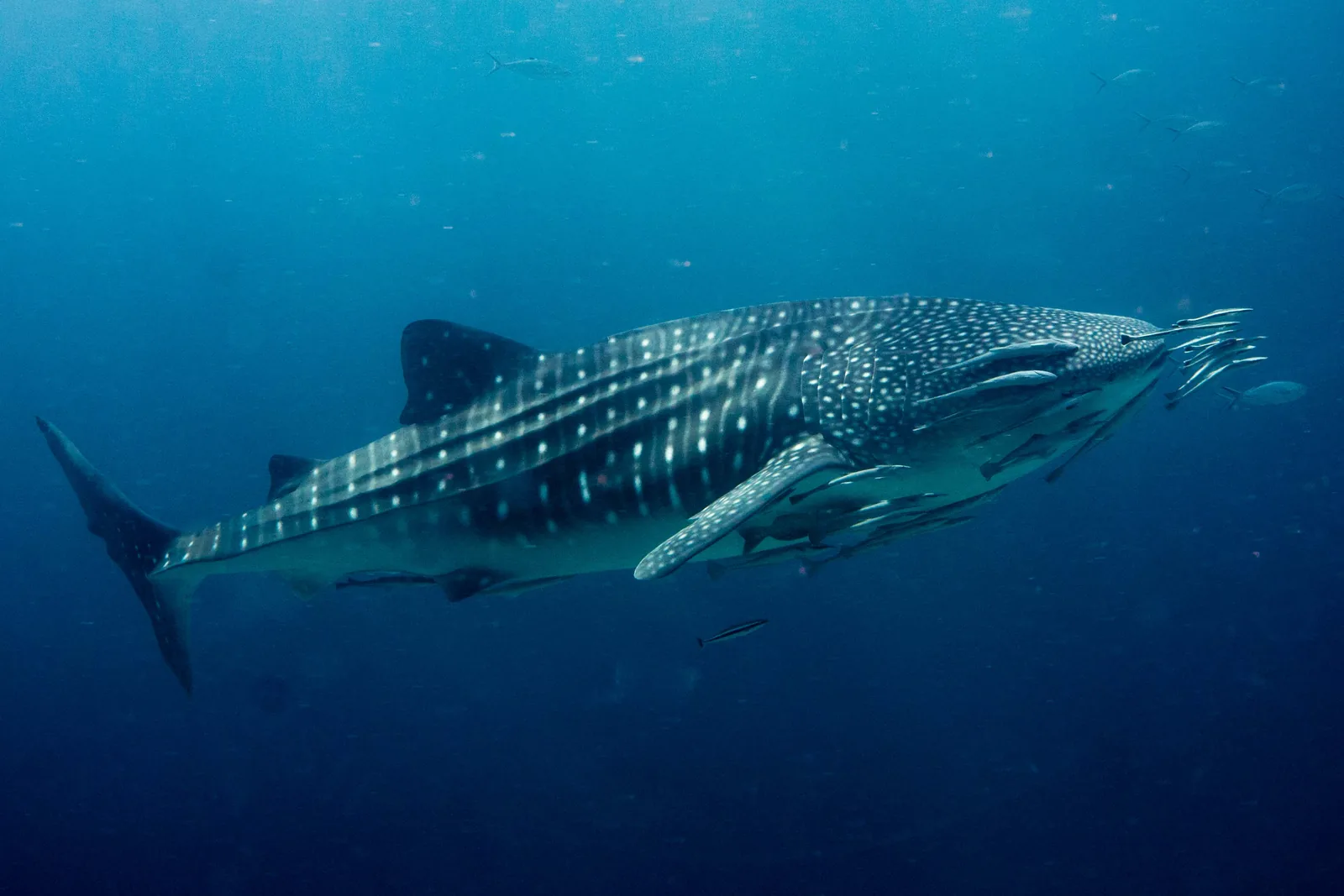
The gentle giant. The whale shark can reach 40 feet or more and weigh about 20.6 tons, yet it feeds by swimming with its wide mouth open, filtering plankton and small fish. It can live about 70 years in the wild.
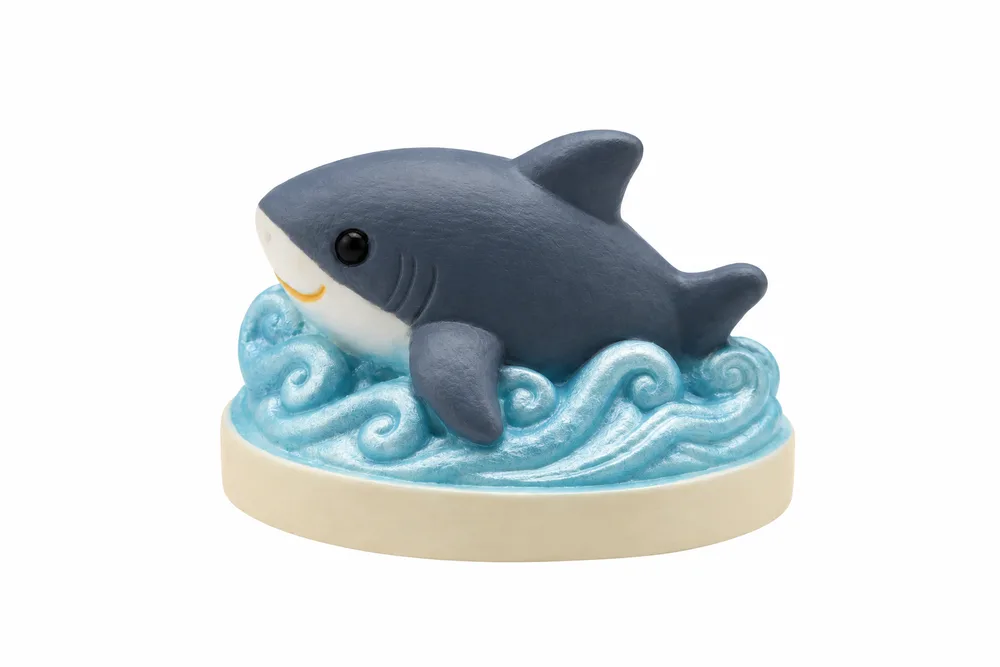
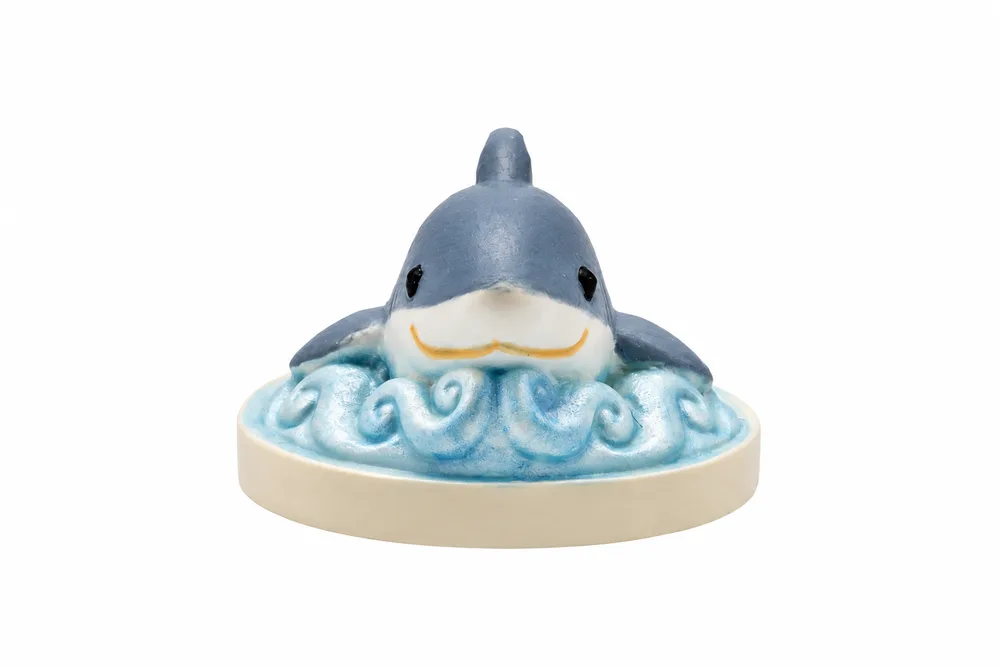
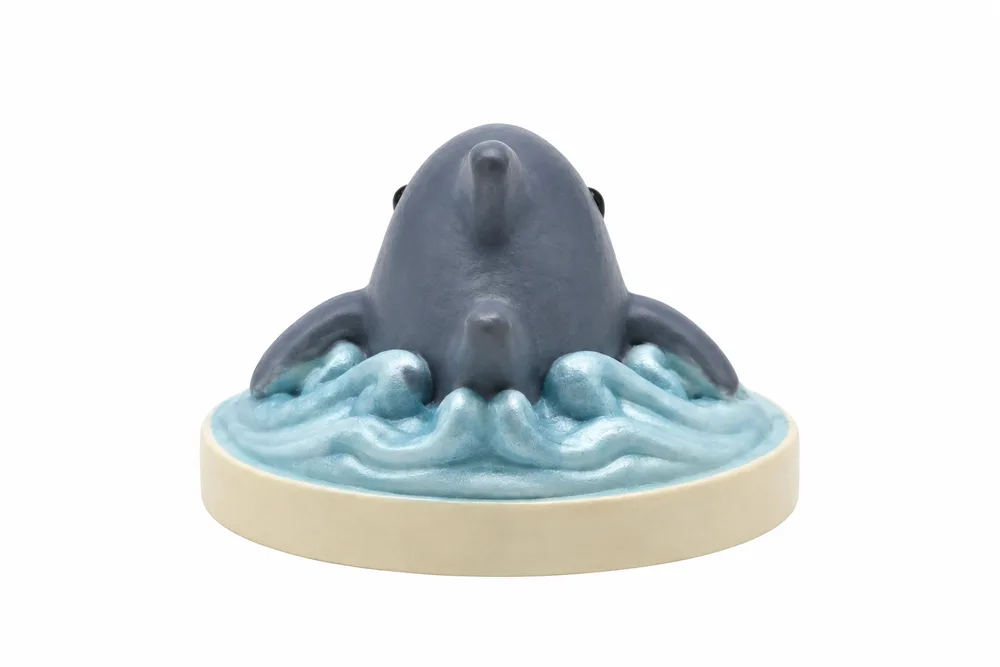
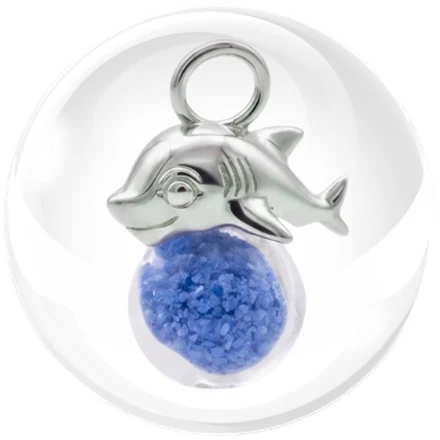
Meet Little Shark in the Sea Soul collection.
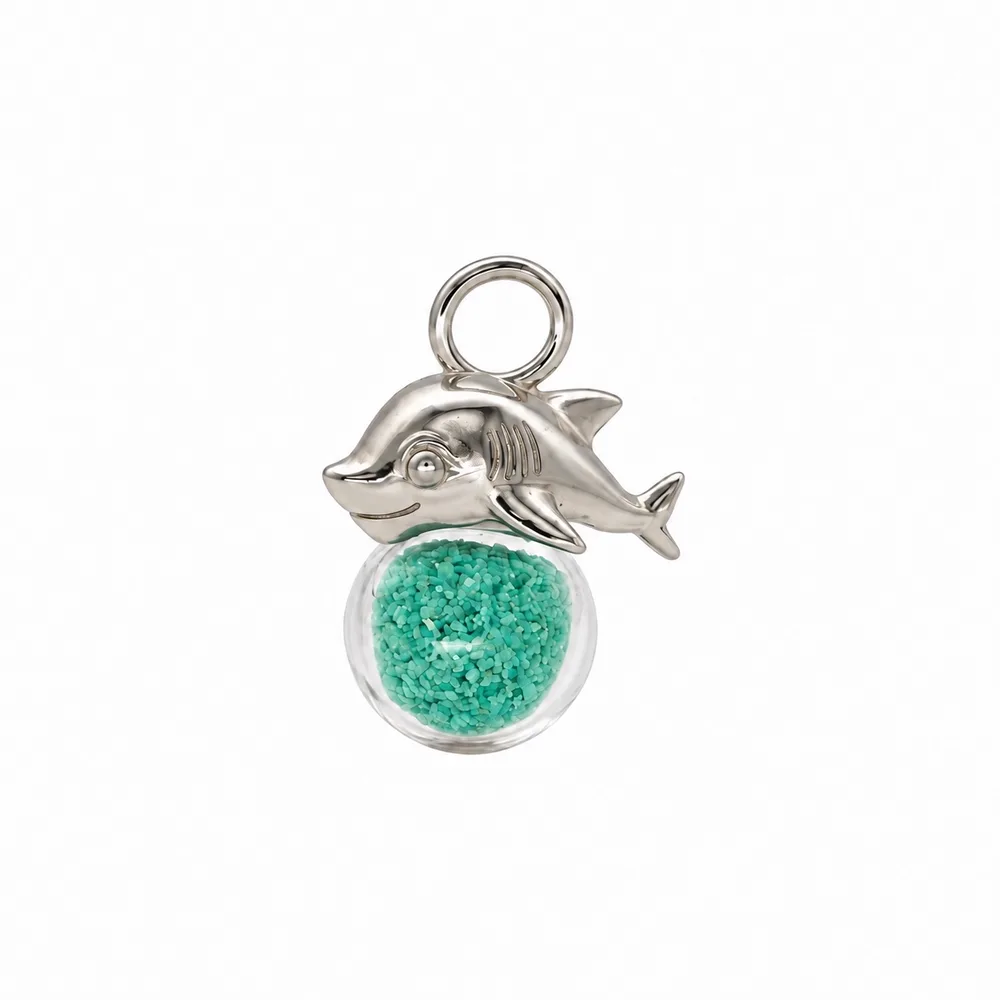
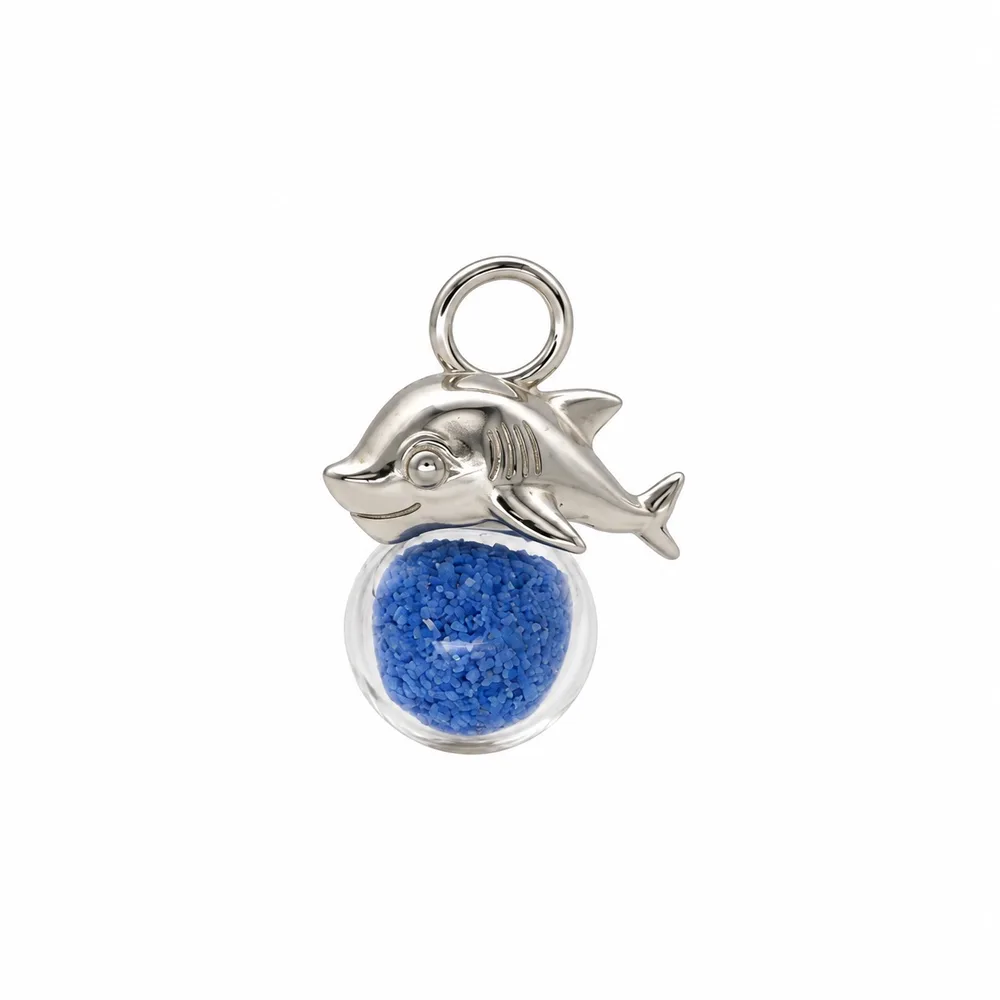
 Meet the charmLITTLE SHARK Next in the seriesCrab Secrets